


WHAT IS A SWITCH BILL OF LADING? KEY POINTS TO KNOW WHEN USING SWITCH B/L
What is a switch of lading? Key points to know when using switch B/L
In international trade and logistics, the term “Switch Bill of Lading (Switch B/L)” is quite common but often misunderstood by many exporters and importers. This article explains what a Switch Bill is, when it is needed, how it is issued, and the key considerations to ensure safe and compliant use in international transactions.
What is a Switch Bill of Lading (Switch B/L)?
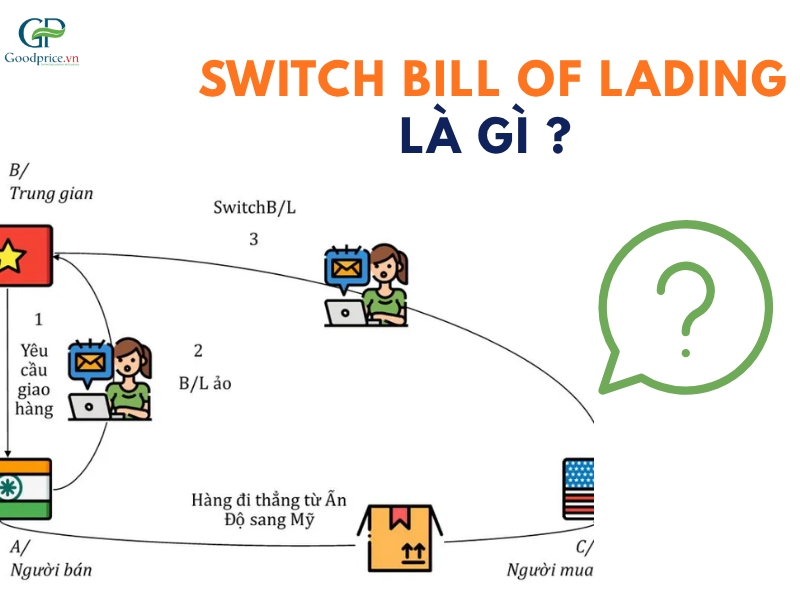
A Switch Bill of Lading, also known as a replacement Bill of Lading, is a new set of bills issued to replace the Original Bill of Lading (OBL) in international trade.
The main purpose of issuing a Switch B/L is to amend certain details on the original bill to meet transaction requirements or to conceal information between intermediaries in a multi-tier trade.
Example:
An exporter sells goods to a trader, who then resells the same goods to the final importer. The trader may request a Switch Bill to hide the manufacturer’s or final buyer’s details, thereby protecting business confidentiality.
>>> See more: A quick guide to Switch B/L in international trade brokerage.
When is a Switch Bill of Lading Used?
Switch Bills are typically used in the following scenarios:
- Presence of intermediaries in the transaction: When goods are traded through multiple parties, the middleman (trader) may wish to hide supplier and buyer details to prevent being bypassed in the deal.
- Need to amend information on the bill: Certain details such as shipper, consignee, or notify party on the original B/L may need to be updated to match the trade contract or payment instructions.
- To comply with L/C or banking document requirements: In cases of Letter of Credit (L/C) payment, the information on the bill must exactly match the contract and other documents. If discrepancies exist, a Switch B/L is issued to correct them.
Process of Issuing a Switch Bill of Lading
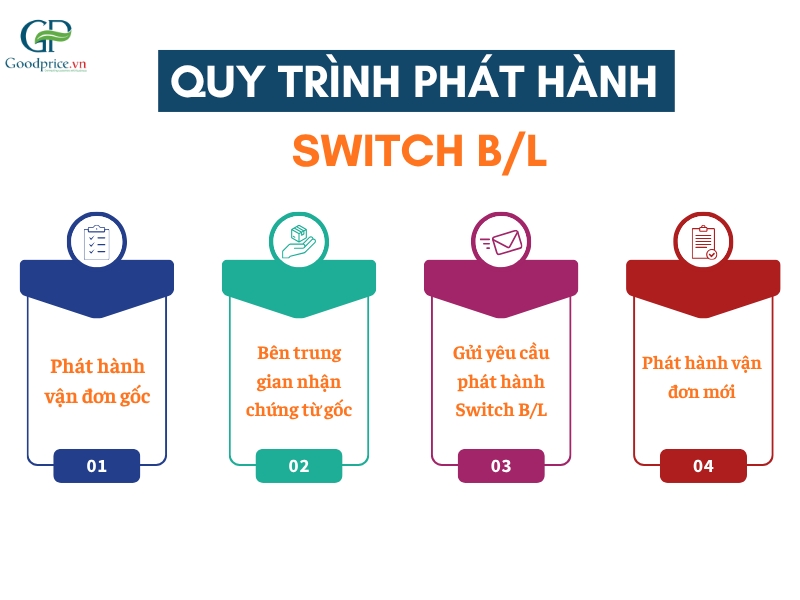
The process of issuing a Switch B/L usually consists of four main steps:
1. Issuance of the Original Bill of Lading (OBL)
Once cargo is loaded on board, the shipping line or its agent issues the Original Bill of Lading to the shipper.
2. Intermediary receives the original documents
The trader (middleman) receives the full set of original bills and obtains the right to request modifications if necessary.
3.Submitting a Switch B/L request
The trader returns all original bills to the shipping line or freight forwarder and provides the requested changes (e.g., shipper, consignee, notify party).
4. Issuance of the new Switch Bill of Lading
The carrier verifies and cancels the original bill, then issues a new Switch Bill with the updated details. This new bill will be used for payment documentation or cargo release procedures.
Important Notes When Using a Switch B/L
In practice, it is difficult to distinguish whether a Bill of Lading has been switched, as its format is usually identical to the original.
However, the importer can contact the shipping line or forwarder to confirm if the bill was switched. The carrier may confirm the status but will not disclose details about the parties involved.
1. Who has the right to request a Switch B/L?
Only the lawful holder of the full set of original documents has the authority to request a Switch Bill.
In the case of a trading company, it must have already paid the supplier in full and possess the complete set of original bills before making the request to the shipping line or forwarder.
2. Who approves the Switch B/L?
A Switch Bill must be approved by the shipping line or forwarder in charge of the shipment.
They will compare the original and replacement bills to ensure validity and compliance.
Once approved, the original bill is cancelled, and only the new Switch Bill is legally effective for the shipment.
3. Time limit for issuing a Switch B/L
The Switch Bill should be requested as soon as the original bill is issued and before the cargo arrives at the destination port.
Most shipping lines require the request to be made no later than three (3) working days before vessel arrival at the discharge port.
Late requests are often rejected to avoid operational and legal complications.
4. Key points to check on a Switch B/L
When verifying a switched bill, companies should pay attention to:
- Details that can be changed:
Shipper, Consignee, Notify Party, and Cargo Description (e.g., “tools” instead of “gardening tools”).
- Details that must remain unchanged:
Port of Loading, Port of Discharge, cargo weight, number of packages, and transport particulars.
- Issue date consistency:
The issue date on the Switch Bill must be identical to that of the original bill.
- Certificate of Origin (C/O) note:
In triangular trade transactions, the C/O should be issued under a three-party trade model to match the information on the Switch Bill.
>>> See more: Which payment method is the safest for import-export businesses?
Conclusion
A Switch Bill of Lading (Switch B/L) is an essential tool in international logistics when multiple intermediaries are involved or when modifications to the Bill of Lading are necessary to align with trade, payment, or delivery requirements.However, it should be used with great caution, as it involves potential legal, operational, and liability risks
GOODPRICE VIET NAM CO., LTD
Email: [email protected]
Facebook: Goodprice Việt Nam
Phone: +84 906368199 | +84 916112833
Hotline: 1900636299
The article is of interest.

7 Popular Vegetarian Dishes Using Potato Powder in the F&B Industry

Is Using Purple Yam to Create Natural Purple Color in Food a Growing Trend?
Use pure fish lettuce powder

Purple Sweet Potato Powder or Sweet Potato Starch Which Is More Suitable for Production?

The snacks made from cauliflower powder for babies 6 months and older