

Comparing Arabica and Robusta Coffee: From Beans to Flavor, What's the Difference?
Coffee, the "national" drink loved all over the world, brings different flavors and experiences to each person enjoying it. Among hundreds of different types of coffee, Arabica and Robusta emerge as two flavors that dominate the market, accounting for more than 90% of global coffee production. Understanding these differences not only helps you become a sophisticated coffee connoisseur but also helps you choose the type of coffee that best suits your taste and needs. Let's explore the colorful world of coffee with Goodprice and find the answers to the above questions!
1. Origin and growing conditions
Arabica coffee
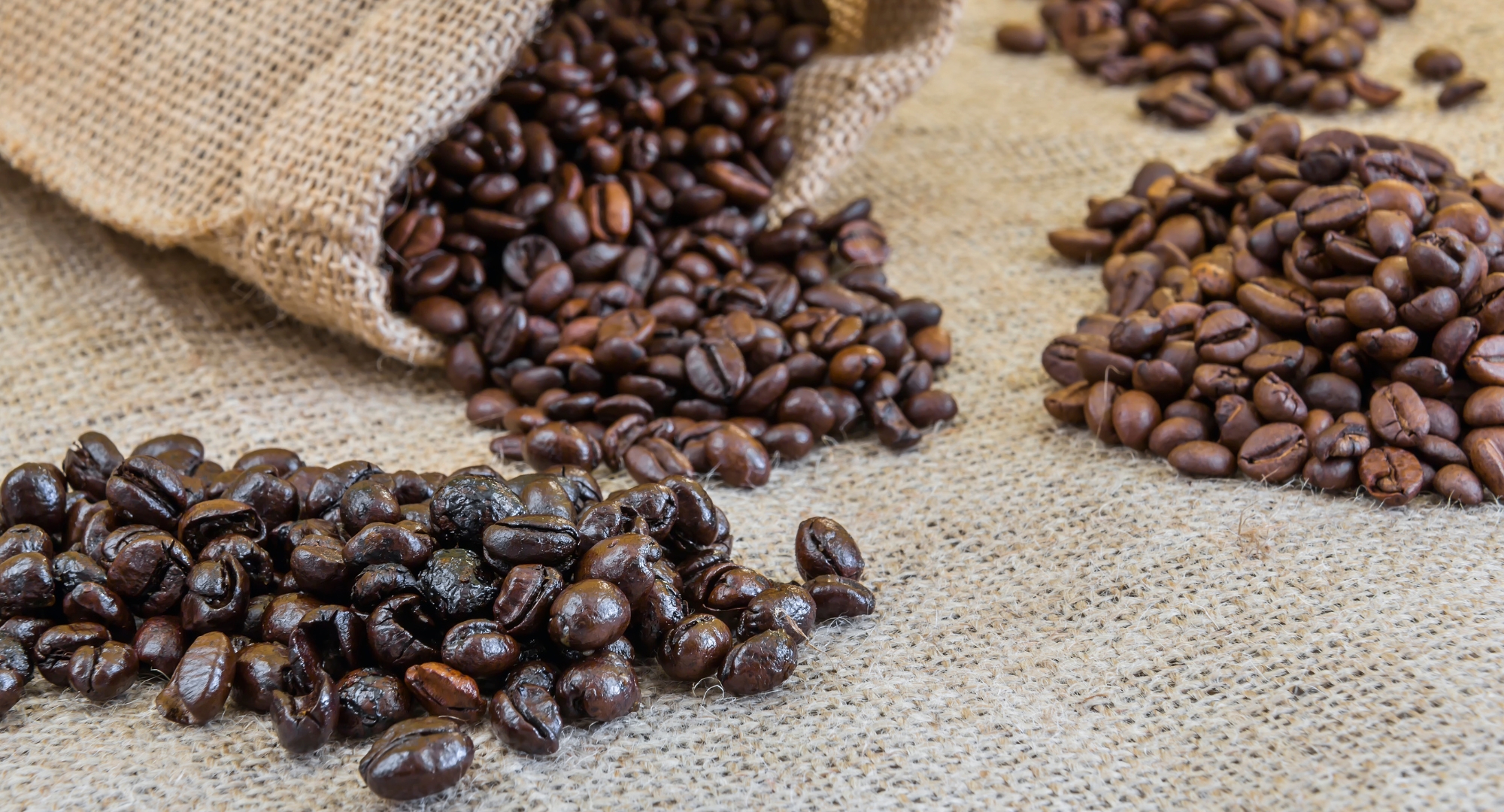
Origin: First appeared in the highlands of Ethiopia, East Africa, then spread to other regions such as Central and South America, India and some Southeast Asian regions.
In Vietnam, Arabica coffee is grown in many places such as Lam Dong, Thua Thien - Hue, Quang Tri, Nghe An, Hoa Binh, Son La, Dien Bien.
Growing conditions:
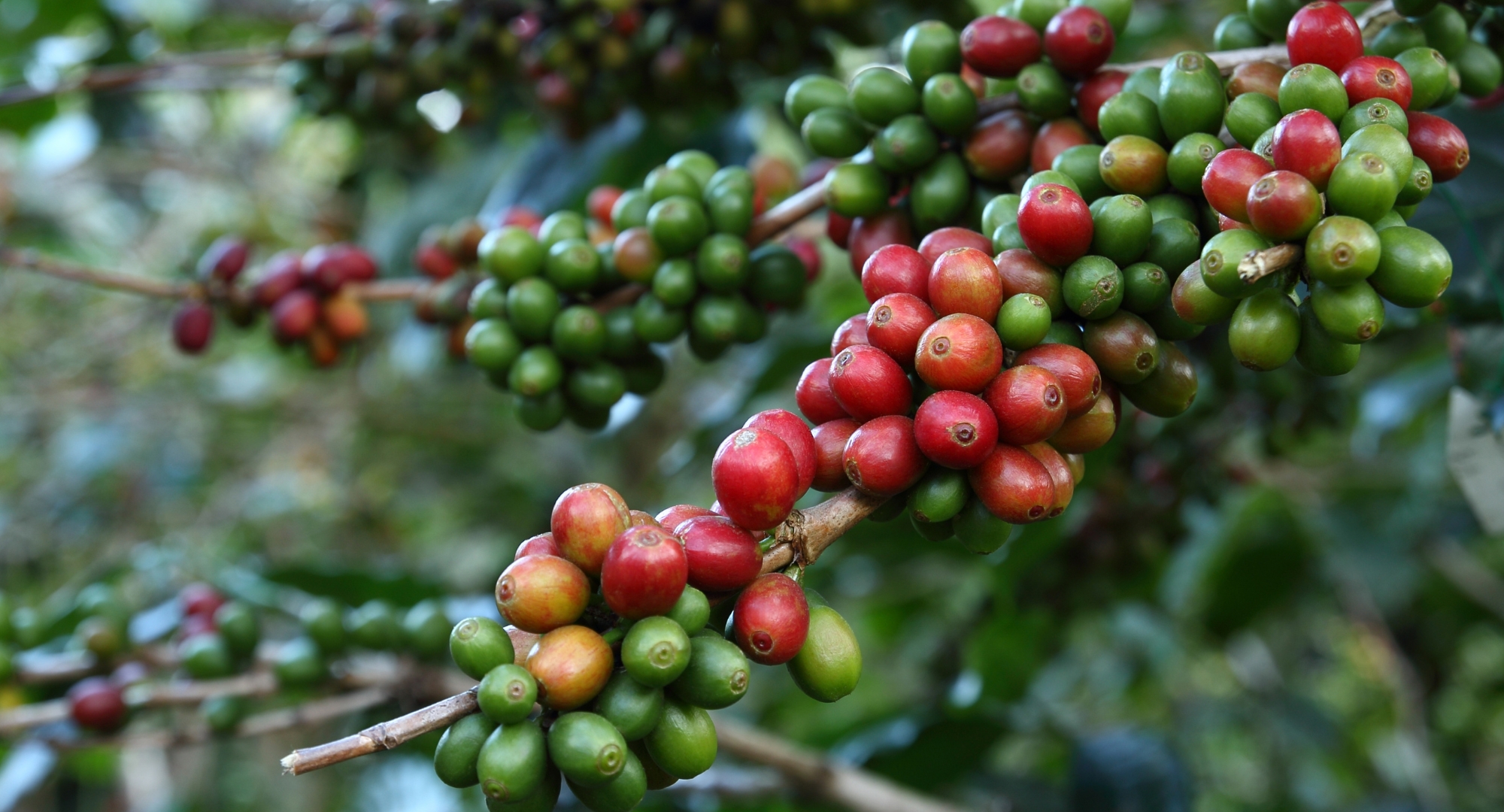
Altitude: Suitable at an altitude of 800 - 2000 meters above sea level. The higher the altitude, the higher the quality of the coffee due to the slower ripening process, creating a more complex and delicate flavor.
Climate: Prefers cool climate, average temperature from 15-24°C, rainfall evenly distributed throughout the year.
Land: Needs rich, well-drained soil, pH from 4.5-6.5.
Care: Arabica trees are quite sensitive to pests and diseases, need careful care.
Robusta coffee
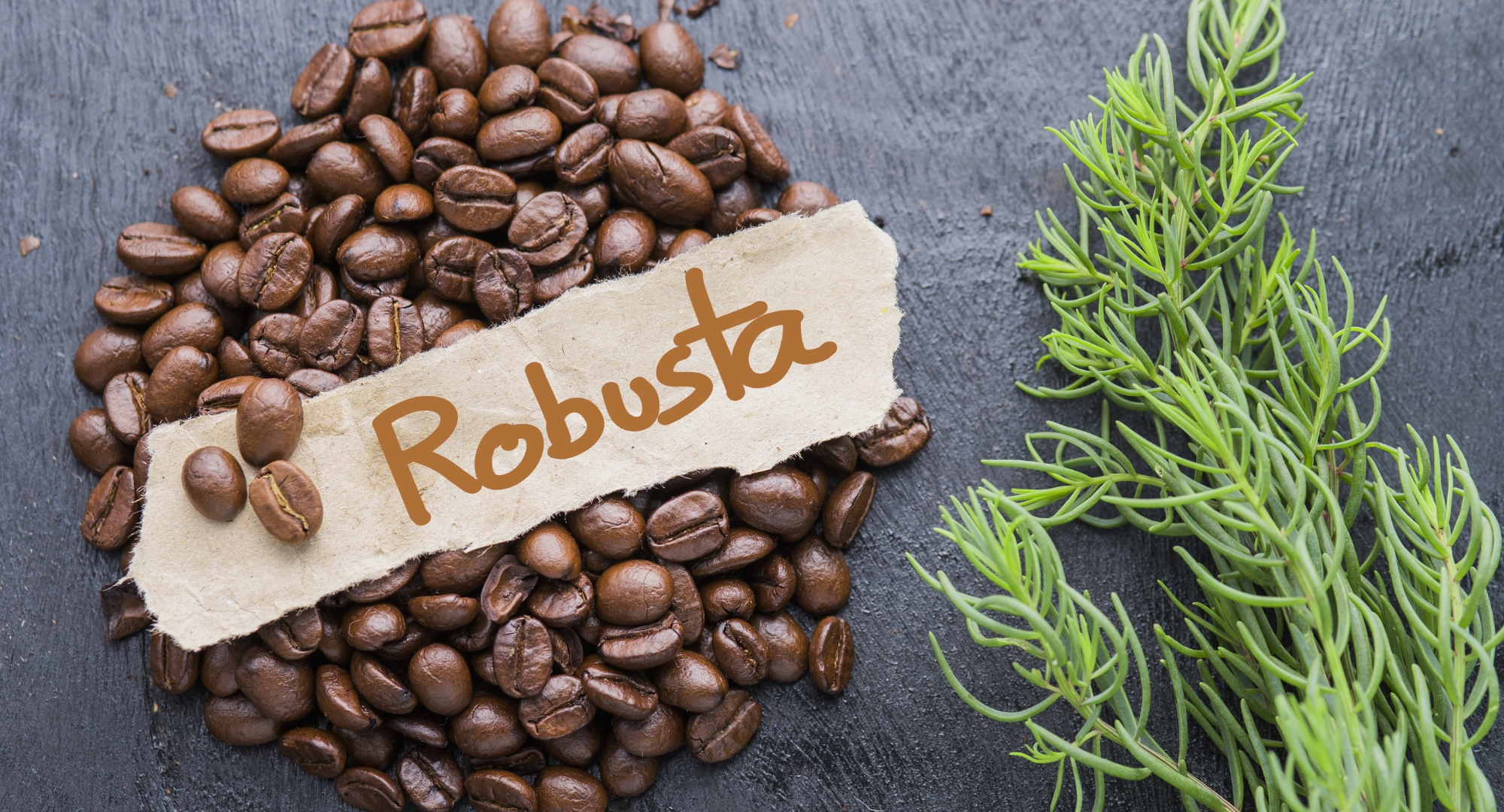
Origin: Originated from West and Central Africa, then widely grown in tropical regions such as Southeast Asia (Vietnam, Indonesia), West Africa and Brazil.
Vietnam is the country with the largest Robusta coffee production in the world. It is mainly grown in the highland provinces such as Binh Phuoc, Daklak, Gia Lai.
Growing conditions:
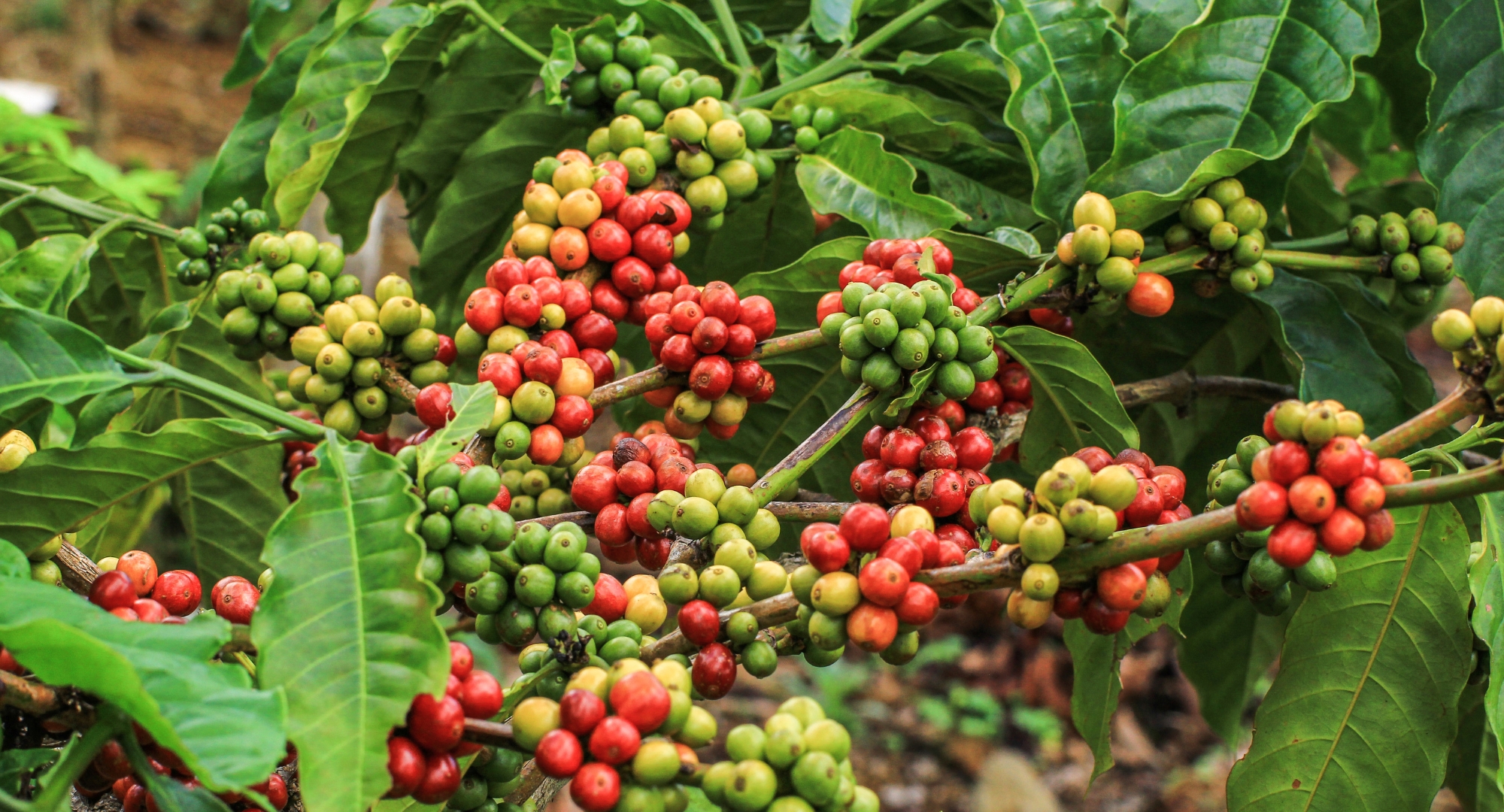
Altitude: Suitable at altitudes below 1000 meters above sea level.
Climate: Withstands hot and humid climates, average temperature from 24-30°C, heavy rainfall.
Soil: Less picky about soil, can be grown on many different types of soil.
Care: Robusta trees are more resistant to pests and diseases than Arabica, easier to grow and care for.
2. Characteristics of coffee beans
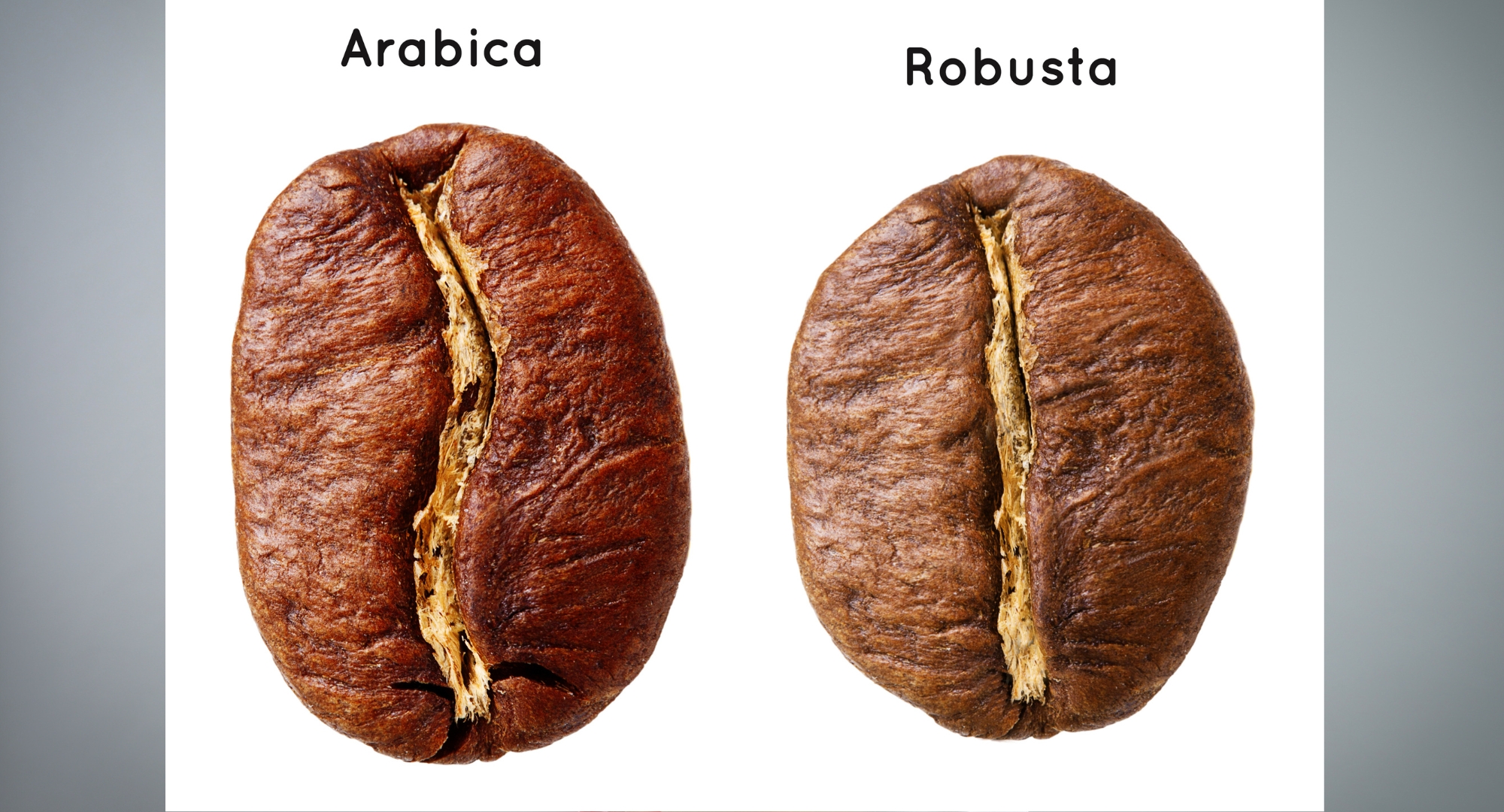
Arabica coffee
Shape: Arabica beans are usually oval, long and slightly flat. The groove in the middle of the bean is shaped like the letter "S", winding.
Size: Arabica beans are usually larger than Robusta beans.
Color: Before roasting, Arabica beans are light green or blue. After roasting, depending on the roasting level, the beans can be light brown to dark brown, with a smooth, glossy surface.
Caffeine content: Lower than Robusta, about 0.9-1.7%. This is one of the reasons why Arabica is favored by people sensitive to caffeine.
Sugar and fat content: Higher than Robusta, creating a sweeter, smoother and more complex flavor.
Robusta coffee
Shape: Robusta beans are usually round or short oval. The groove in the middle of the bean is straighter and narrower than Arabica.
Size: Smaller than Arabica beans.
Color: Before roasting, Robusta beans are light brown or light yellow. After roasting, the beans are darker brown than Arabica, sometimes a bit dull.
Caffeine content: Higher than Arabica, about 1.8-3.5%. This makes Robusta have a stronger bitter taste and creates a strong feeling of alertness.
Sugar and fat content: Lower than Arabica, resulting in a bitter, less acidic and less aromatic taste.
>> See more:
What is Arabica coffee?
What is Robusta coffee?
3. Flavor and aroma
Arabica coffee
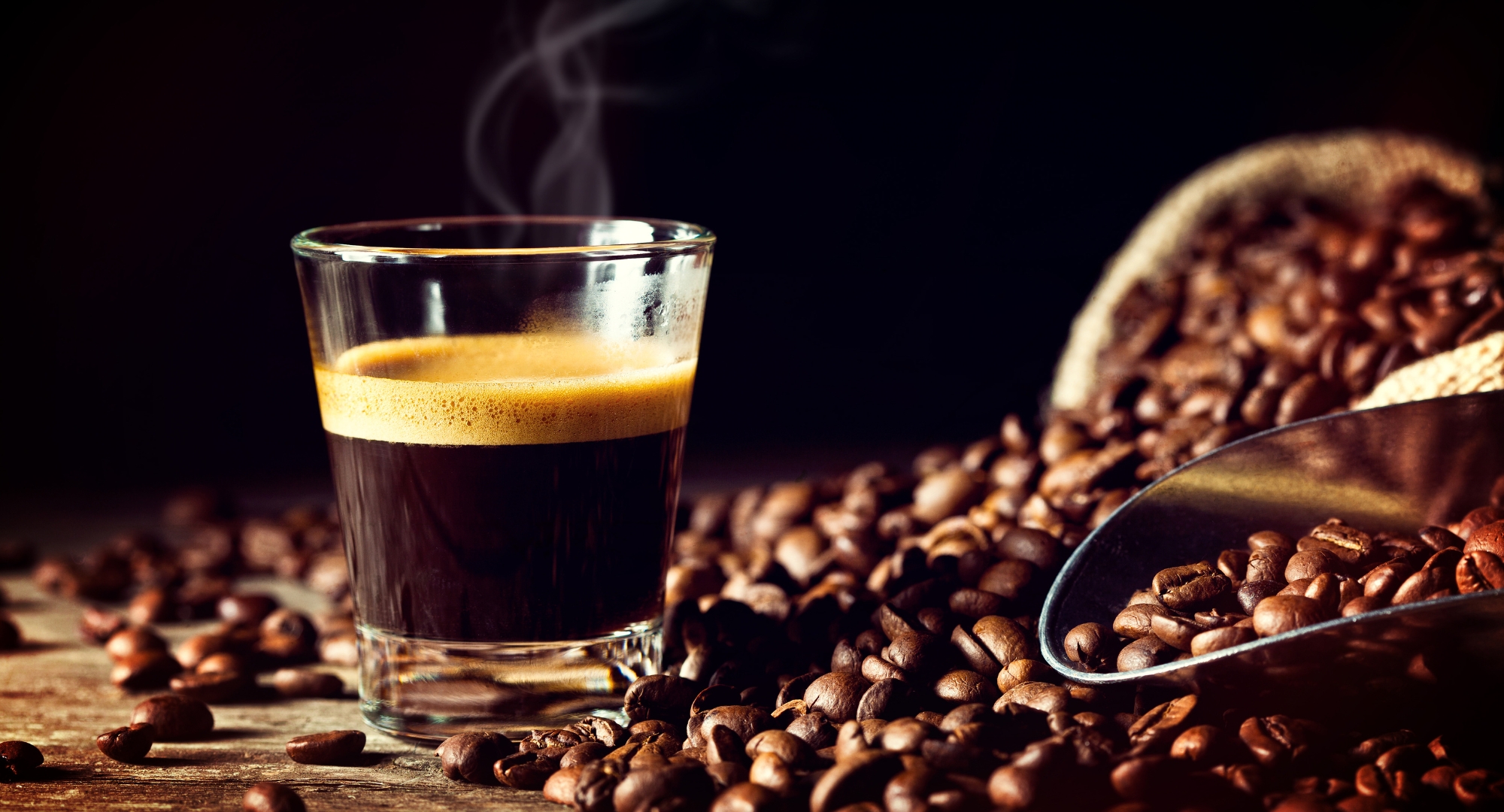
Flavor: Arabica is famous for its diversity and complexity of flavors. Depending on the variety, growing region and processing method, Arabica can bring different notes
Acidity: Arabica often has a light, pleasant acidity, creating a refreshing feeling.
Bitterness: Arabica's bitterness is milder than Robusta's, not too harsh.
Aftertaste: Arabica's aftertaste is often long-lasting, can be sweet, slightly sour or slightly bitter depending on the type of coffee.
Aromaticity: Arabica has a strong, seductive, complex and diverse aroma. Aromas can be floral, fruity, caramel, chocolate, etc.
Robusta Coffee
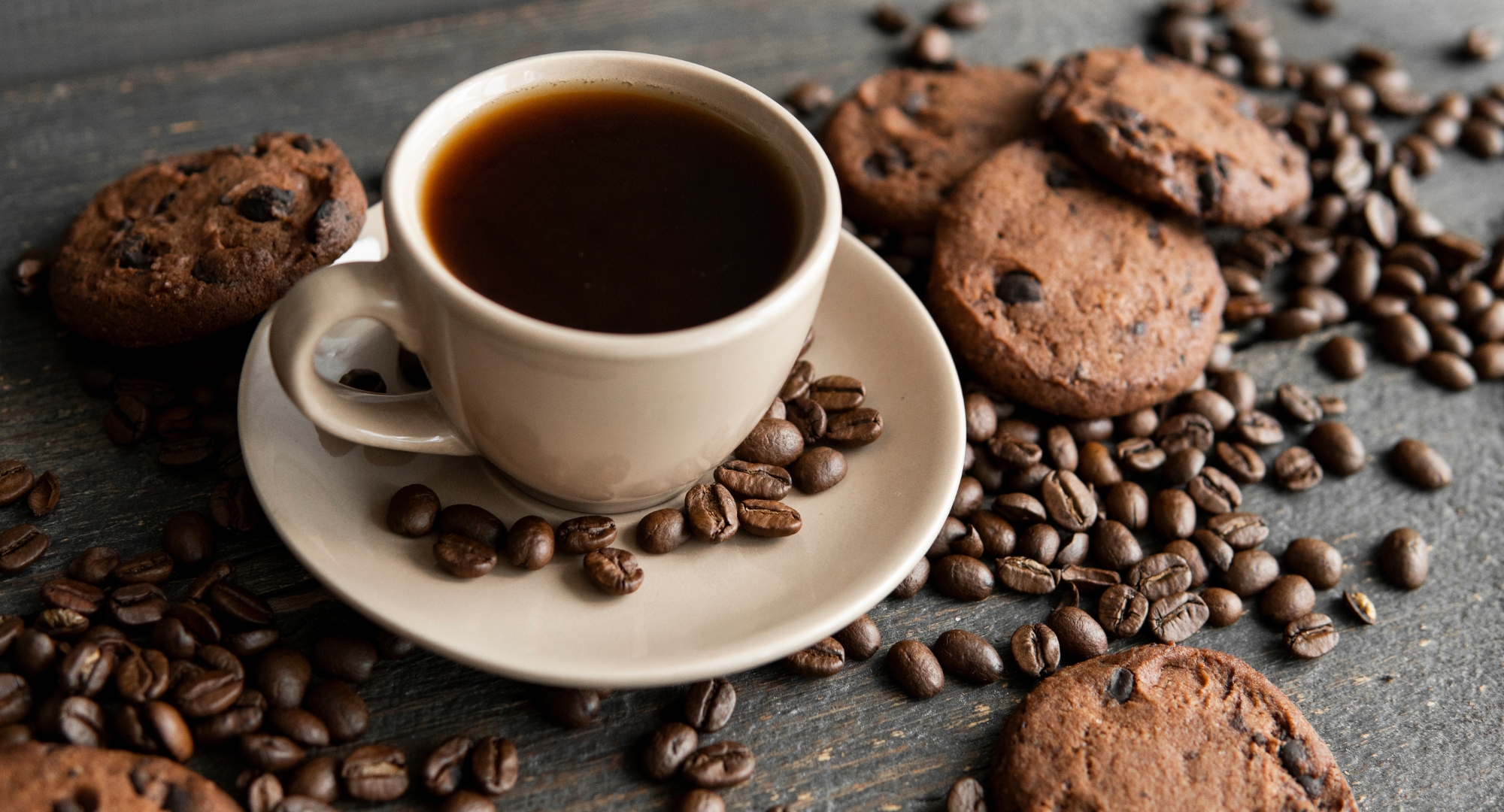
Flavor: Robusta has a strong, rich flavor, mostly bitter. Robusta's bitterness can be quite harsh and lingering. Acidity: Robusta is often low in acidity, or even non-acidic.
Bitterness: Robusta is more bitter than Arabica, creating a strong and rich feeling.
Aftertaste: Robusta's aftertaste is often more bitter and lingering than Arabica's.
Aromatic: Robusta has a milder aroma than Arabica, often described as woody, earthy, or cereal. Arabica offers a rich, complex flavor and a seductive aroma, while Robusta has a strong, bitter flavor and a gentler aroma.
The choice between the two coffees depends on each person's personal preference. If you love sophistication, variety, and complexity, Arabica will be the perfect choice. If you prefer strong, rich and sober, Robusta will be a more suitable choice.
Goodprice hopes that through this article you will choose your favorite coffee flavor.
>> See Goodprice Coffee: here
The article is of interest.
Tinh bột nghệ có tác dụng gì? Nên uống thường xuyên không?
Lợi ích khi dùng trà sen giảm cân ít người biết
Goodprice Ube Powder – Bulk Supply with Consistent Quality
Ideas for Developing Purple Sweet Potato Tteokbokki Products for Food Manufacturers

Pure Cold-Dried Purple Sweet Potato Powder – Goodprice Vietnam