
What Are the Key Requirements for Exporting Moringa Powder from Vietnam to Japan?
What Are the Key Requirements for Exporting Moringa Powder from Vietnam to Japan?
Japan is one of the most demanding markets in Asia when it comes to imported food products. However, with the growing trend toward green consumption, plant-based ingredients, and “green powder” products, moringa powder has been receiving increasing attention from Japanese companies.
So, what are the key requirements for exporting moringa powder from Vietnam to Japan in a sustainable and compliant manner?
1. Export Potential of Vietnamese Moringa Powder in the Japanese Market
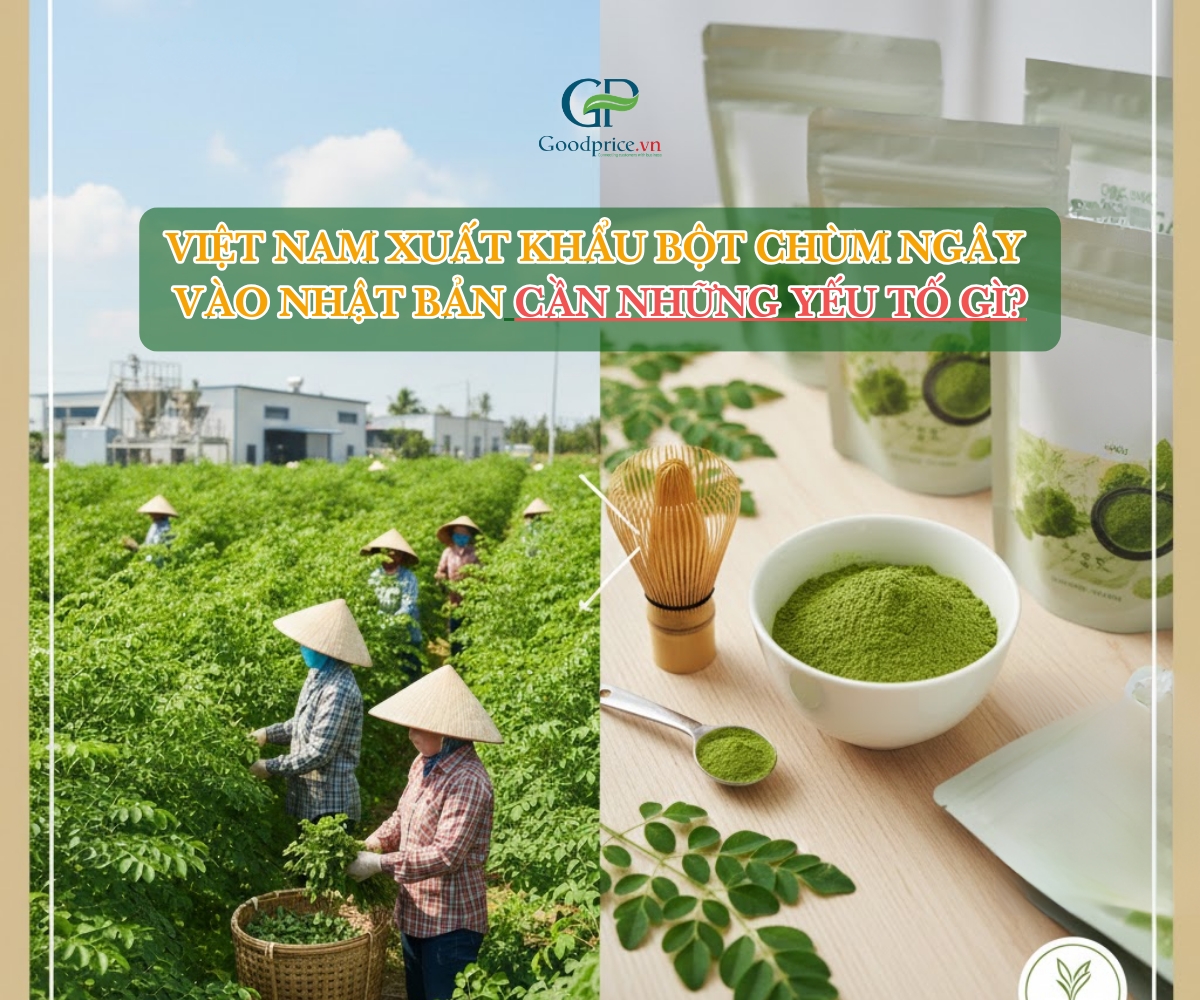
Japan has strong demand for plant-based food ingredients, especially products that are clean, natural, and non-GMO. In recent years, various types of leaf powders and green vegetable powders used as ingredients in foods, beverages, and processed products have become increasingly popular among Japanese manufacturers, including moringa leaf powder.
Vietnam has several advantages when it comes to exporting moringa powder to Japan. Favorable climatic conditions allow moringa trees to grow well, ensuring a stable supply of raw materials throughout the year. In addition, Vietnam offers competitive production costs compared to many other countries, while local manufacturers are capable of supplying large and stable B2B orders. When proper food safety and quality standards are met, Vietnamese moringa powder can become a long-term ingredient for Japanese importers.
2. Essential Requirements for Exporting Moringa Powder to Japan
2.1. Compliance with Japan’s Food Safety Standards
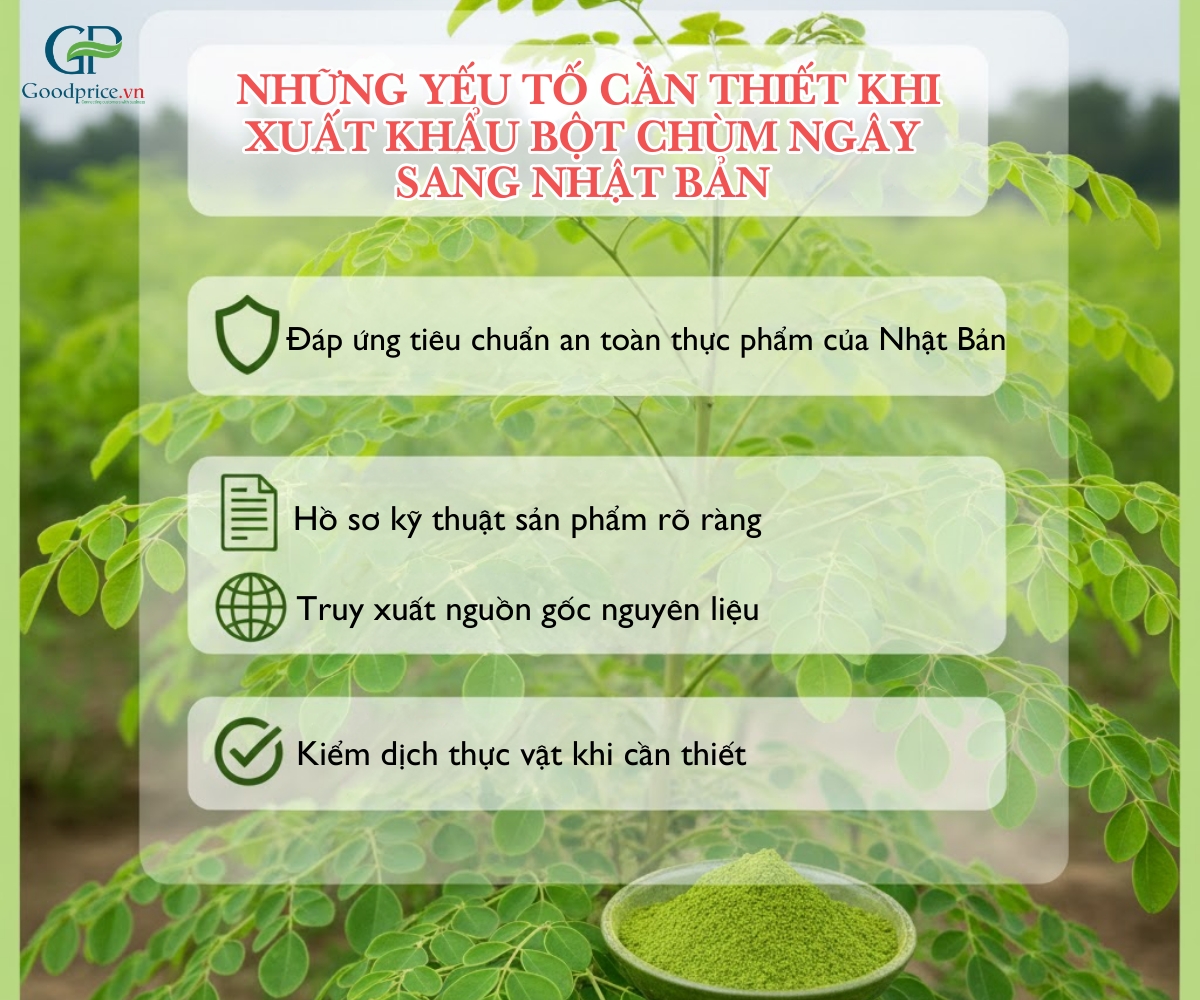
When exported to Japan, moringa powder is classified as a general food ingredient and is regulated under Japan’s Food Sanitation Act. Therefore, food safety compliance is the top priority in the import process.
Vietnamese exporters must strictly control key parameters, particularly microbiological and heavy metal indicators. For leaf powder products, Japanese authorities and importers typically focus on total plate count (TPC), yeast and mold, E. coli, and Salmonella to assess potential food safety risks during production and storage. In addition, heavy metals such as Lead (Pb), Cadmium (Cd), Arsenic (As), and Mercury (Hg) must be properly controlled and clearly stated in the Certificate of Analysis (COA) for each shipment lot.
Moisture content is another critical factor. Maintaining appropriate moisture levels helps prevent mold growth and microbial contamination during transportation and storage, thereby reducing the risk of food safety issues during inspection in Japan.
2.2. Clear and Transparent Technical Documentation
Japanese customers place strong emphasis on transparency and traceability. As a result, complete technical documentation is essential when exporting moringa powder to Japan.
Technical documents should clearly specify that the product consists of 100% moringa leaf powder, with no additives. Exporters should also provide a detailed description of the production process, including harvesting, washing, drying, grinding, and packaging. The drying method (freeze-drying or low-temperature drying) should be clearly stated, as it directly affects product quality and sensory characteristics.
In addition, the documentation should clearly indicate that the intended use of the product is as a food ingredient for B2B applications, enabling Japanese importers to complete import declarations and use the product appropriately in food manufacturing.
2.3. Raw Material Traceability
In the Japanese market, traceability is not only a technical requirement but also a reflection of supplier credibility. Products with clear and transparent information on cultivation areas are generally evaluated more favorably.
Vietnamese exporters should demonstrate proper control of pesticide use during cultivation and provide a non-GMO commitment. Such transparency helps build trust with Japanese partners and supports long-term cooperation.
2.4. Plant Quarantine Requirements When Applicable
As moringa powder is derived from plant leaves, certain shipments may be subject to plant quarantine inspection by Japanese authorities. This requirement depends on product classification and risk assessment at the time of import.
Therefore, exporters should proactively coordinate with Japanese importers and prepare the necessary information and documents in advance. Early preparation helps ensure smooth customs clearance and minimizes potential risks.
>>> See now: Top reasons why vegetable powder products are so popular?
3. Common Mistakes Made by Vietnamese Companies When Exporting Moringa Powder to Japan
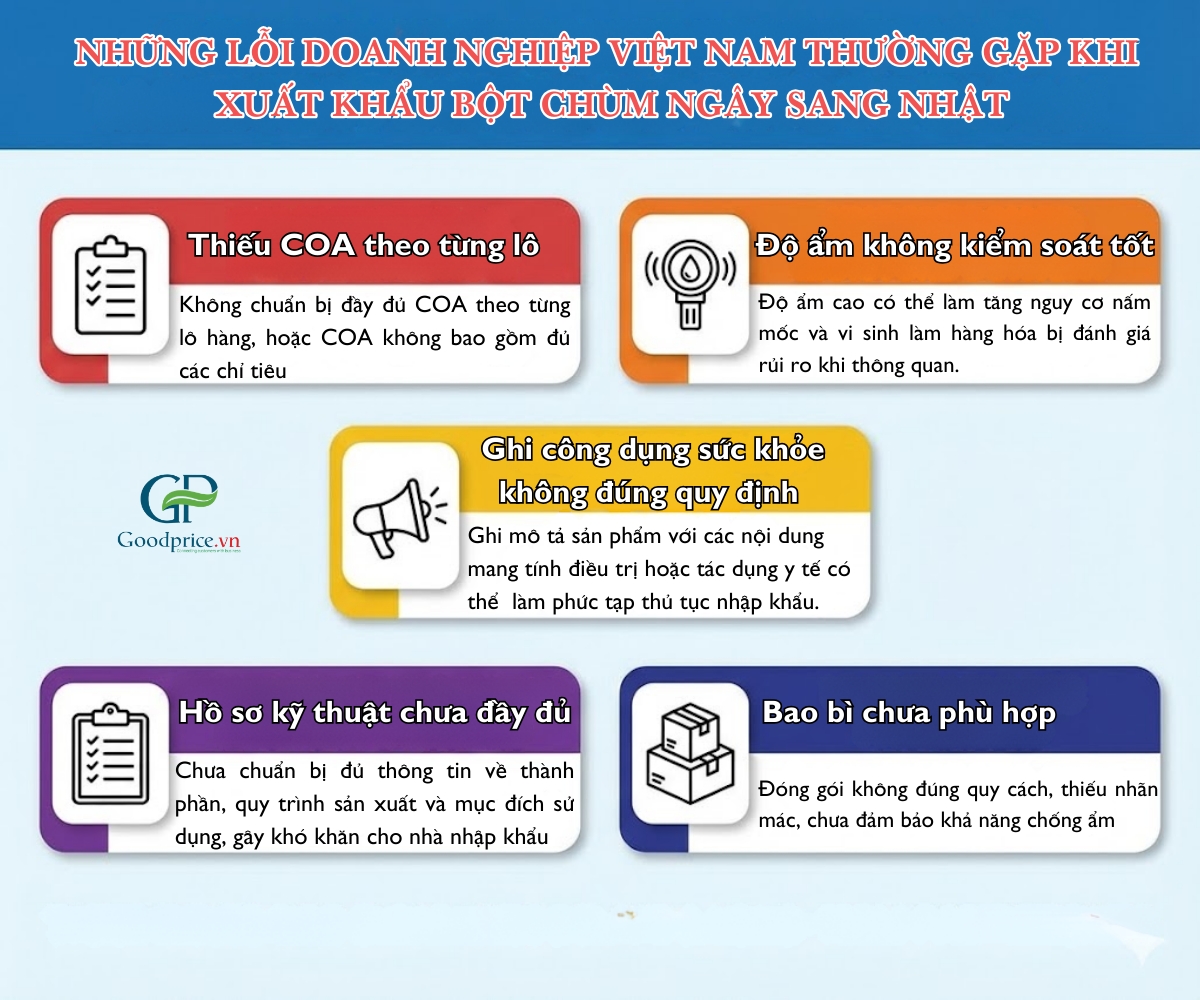
In practice, many Vietnamese companies face difficulties entering the Japanese market due to a lack of understanding of specific import requirements. One common mistake is failing to provide a complete COA for each shipment, or submitting COAs that do not include key parameters such as microbiological and heavy metal indicators. This can cause delays when buyers submit food safety inspection documents.
Another frequent issue is poor control of moisture content. For leaf powder products—especially freeze-dried powders—excessive moisture can increase the risk of mold and microbial growth, leading to higher risk assessments during customs clearance.
In addition, making inappropriate health or medical claims is a critical error. Describing moringa powder with treatment-related or medicinal claims can result in the product being evaluated under a different regulatory framework, significantly complicating the import process.
Many exporters also fail to prepare sufficiently detailed technical documentation, including product composition, production processes, and intended use. Inappropriate B2B packaging, such as missing lot information or insufficient moisture protection, can further reduce credibility in the eyes of Japanese partners.
These issues not only increase the risk of customs delays but also negatively impact long-term cooperation with Japanese buyers, who highly value stability and regulatory compliance in the supply chain.
4. Goodprice Vietnam – Supplier of Moringa Powder for Export to Japan
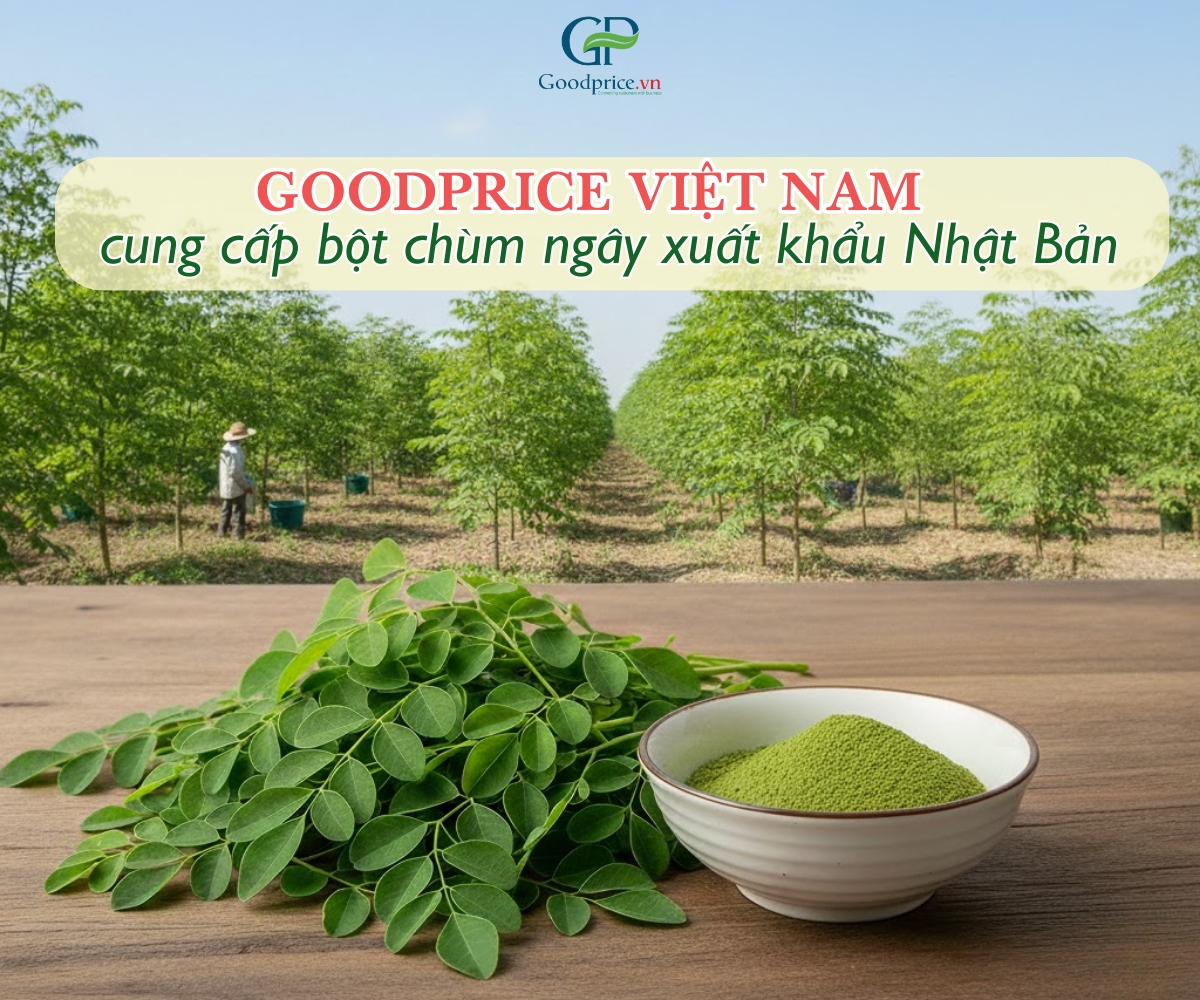
Goodprice Vietnam is a B2B-oriented moringa powder supplier, focused on meeting the strict requirements of demanding markets such as Japan. Rather than pursuing mass retail distribution, Goodprice Vietnam positions itself as a stable raw material supplier for Japanese companies engaged in food manufacturing and processing.
Goodprice Vietnam’s moringa powder is produced from 100% moringa leaves, with no additives, ensuring consistency in composition. The product is manufactured using freeze-drying technology, which helps preserve natural green color, characteristic aroma, and stable quality—meeting the high sensory expectations of Japanese customers. Moisture content is strictly controlled throughout production and packaging, minimizing the risk of mold and microbial contamination during transportation and storage.
In addition to product quality, Goodprice Vietnam places strong emphasis on technical documentation and transparency. Each shipment is accompanied by a complete COA and detailed technical documents to support Japanese partners during import declaration. The company also offers flexible B2B packaging options, tailored to the needs of wholesale customers and various application channels.
With a long-term perspective, Goodprice Vietnam not only supplies products but also acts as a reliable ingredient partner, supporting Japanese customers in optimizing their import processes and ensuring stable, sustainable use of moringa powder.
>>> Check out: Moringa powder from Goodprice Vietnam - contact us now for advice and the best wholesale prices.
Conclusion
Exporting moringa powder from Vietnam to Japan presents significant opportunities but requires thorough preparation in terms of standards, documentation, and production processes. By meeting food safety requirements, ensuring traceability, and maintaining strict quality control, Vietnamese moringa powder can successfully enter and compete in the Japanese market.
With a professional export-oriented approach, Goodprice Vietnam is ready to accompany partners throughout the moringa powder supply chain for Japan and international markets.
GOODPRICE VIETNAM CO.,LTD
Email: [email protected]
Facebook: Here
Tik Tok: Here
Phone: 0906368199 - 0916112833
Hotline: 1900636299
The article is of interest.
Bột gạo lứt bột thực phẩm tốt cho sức khỏe lợi vóc dáng
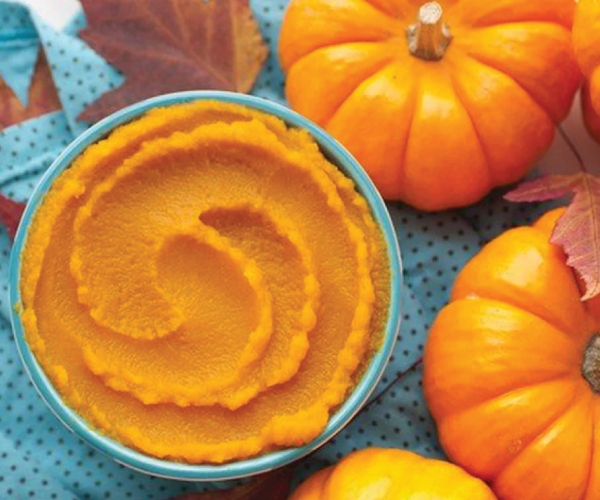
100% pure pumpkin powder ensures high nutrition
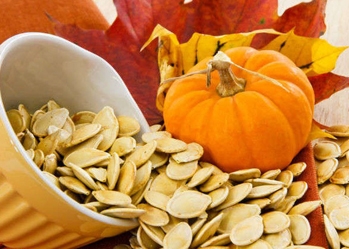
Eat pumpkin seeds regularly for these great benefits
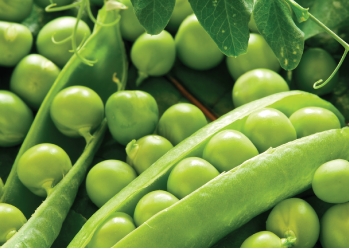
What are the effects of peas? Notes when using
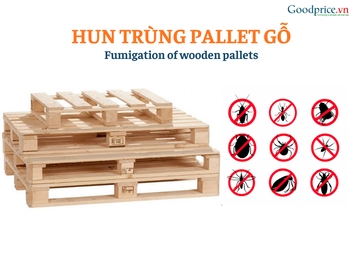
What is fumigation? Why must wooden pallets be fumigated before export?