


What is fumigation? Why must wooden pallets be fumigated before export?
In the field of import and export, especially when goods are packed on wooden pallets, wooden boxes, or wooden crates, fumigation is a mandatory requirement of many international markets. So, what is fumigation and why must wooden pallets be fumigated before export?
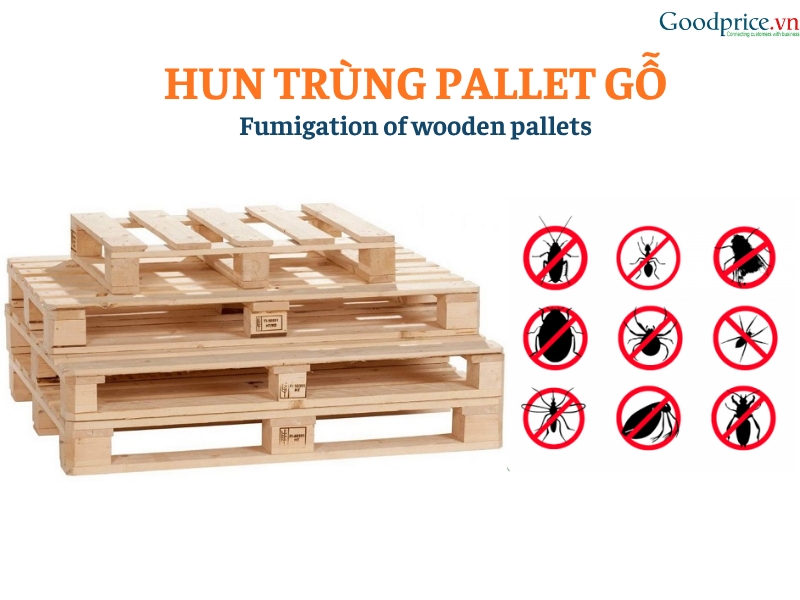
What is fumigation?
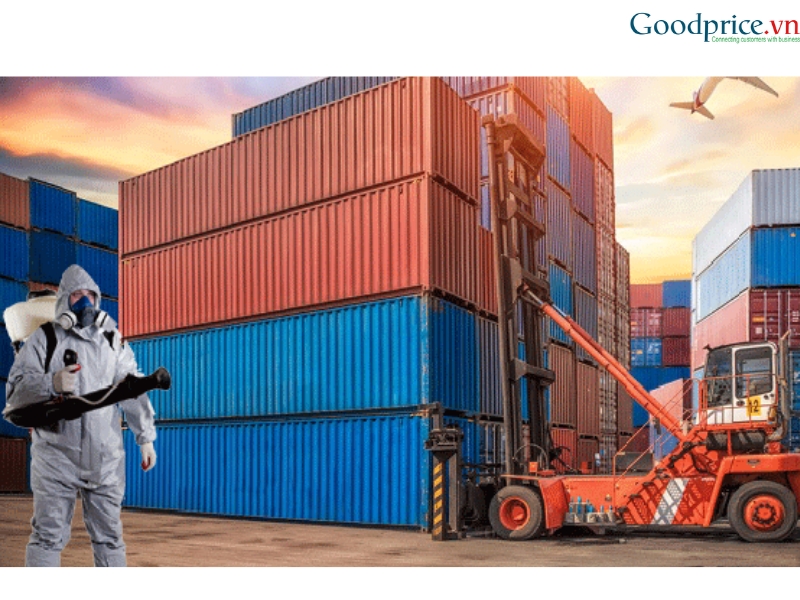
Fumigation is the process of disinfecting goods or wooden packaging using specialized chemical gases (commonly Methyl Bromide or Phosphine) within a specific period of time.
The purpose is to eliminate insects, termites, mold, and harmful microorganisms that may exist in wood, ensuring biological safety for goods when imported into another country.
In export, fumigation is usually applied to: wooden pallets, wooden boxes, wooden packaging, wooden crates, or raw materials such as bamboo, rattan, etc.
Why is fumigation of wooden pallets required in export?
During sea transportation, goods are kept inside containers for several weeks, often exposed to high temperatures (above 40°C) and high humidity. This environment is ideal for termites and mold to grow, which can damage wooden pallets and directly affect the quality of goods.
If fumigation is not carried out, this risk can seriously impact Vietnam’s major export products such as rice, coffee, tea, cashew nuts, pepper, or wooden and bamboo products.
To avoid such risks, fumigating wooden pallets is an essential measure to ensure the quality of goods during the entire journey, while preventing the spread of harmful organisms into the importing country’s environment.
Many countries such as the US, Europe, Canada, and Australia strictly apply the ISPM 15 standards on biosafety. If goods do not have a fumigation certificate, the shipment may be denied clearance, forced to be re-exported, or destroyed immediately at the destination port.
This not only causes huge financial losses but also seriously damages the reputation of Vietnamese exporters. Therefore, fumigation of wooden pallets is both a legal obligation and a key factor in maintaining trust and expanding access to international markets.
Watch now: TikTok video about export wooden pallet fumigation
Fumigation stamping process on export wooden pallets
Nowadays, wooden pallet fumigation is performed quite quickly and simply. After treatment with fumigation chemicals or gas, the service provider will stamp the ISPM 15 mark directly on the pallet, and issue a Fumigation Certificate for the exporter to submit to customs.
Required documents to obtain a fumigation certificate
To be issued a fumigation certificate, the exporter must prepare the following documents:
- Commercial Invoice
- Packing List
- Bill of Lading
Normally, the fumigation process and certificate issuance take about 01–02 days after chemical treatment and submission of all documents.
Common fumigation methods
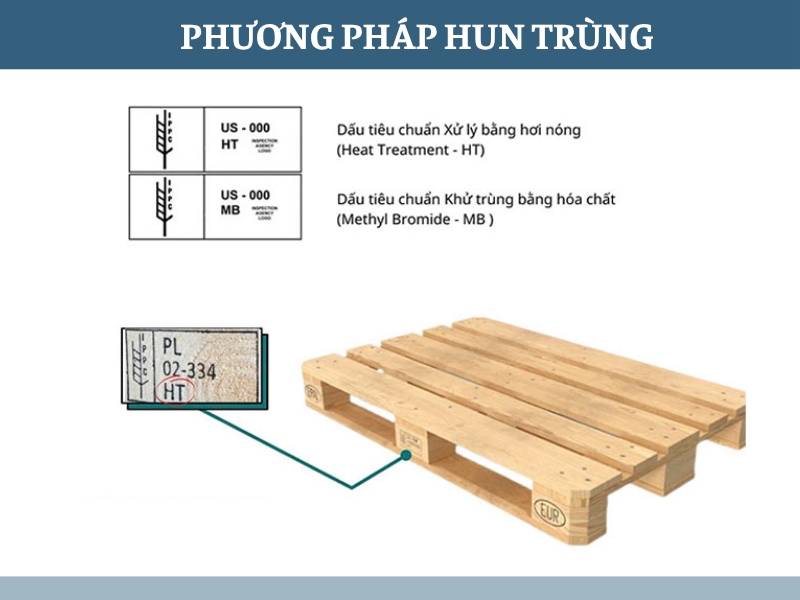
Heat Treatment (HT)
- Heating the wooden pallets to at least 56°C for 30 minutes.
- Pallets that meet the standard will be stamped with the “HT” mark.
Methyl Bromide (MB) fumigation
- Using Methyl Bromide gas with specific dosages as required by different countries:
+ US, EU, Canada: 50 g/m³
+ Taiwan: 80 g/m³
+ Some Asian markets: 48 g/m³
+ Netherlands: requires minimum 2 days of fumigation, with proper container ventilation.
- Pallets treated by this method will bear the “MB” mark.
Steps in the fumigation stamping process for wooden pallets
- Survey the shipment and fumigation area
+ Evaluate wooden packaging: type of wood, weight, dimensions, volume.
+ Check fumigation site conditions: flat floor, no cracks, electricity available for equipment, no impact on residential or sensitive surrounding areas.
+ Consider stacking methods, wood materials, and occupational safety.
- Evaluate specific goods
Some goods are sensitive to Methyl Bromide, such as: food containing oil/fat, iodized salt, leather, wool, sponge rubber, special paper, rayon, etc. These require careful consideration. If the risk is high, the exporter must provide a liability commitment or fumigation may be refused.
- Prepare a survey report
After inspection, the fumigation provider will prepare a survey report recording shipment condition, treatment method, volume, materials, and equipment involved. This report is signed by both parties and serves as the basis for signing the fumigation service contract and stamping the pallets.
Notes on fumigation stamping for export pallets
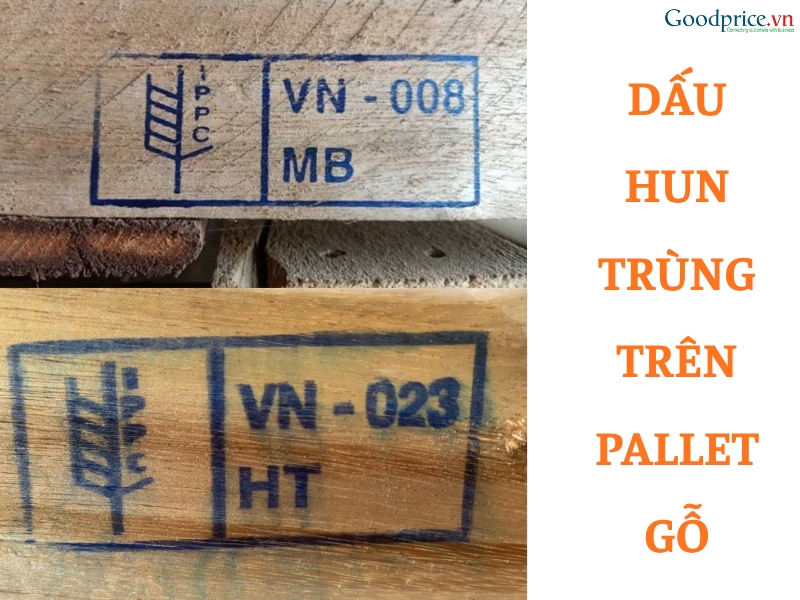
- Only pallets treated according to regulations are allowed to bear the ISPM 15 mark.
- The fumigation stamp must clearly indicate the method (HT or MB) and be printed directly on the wood.
- The fumigation certificate is mandatory when exporting to major markets such as the US, EU, Australia, Canada, and Japan.
Read more : According to Incoterms 2020, which trade term is currently the most commonly used in Vietnam?
Conclusion
Fumigation of wooden pallets is not only a compulsory requirement in export but also an important measure to protect goods, prevent the spread of harmful organisms, and maintain the reputation of businesses in the international market. By using ISPM 15 fumigated pallets, exporters can be more confident during transportation, minimize risks, save extra costs, and comply with strict import regulations.
Hopefully, this article helps you better understand what fumigation is and why fumigation of export wooden pallets is so important.
GOODPRICE VIETNAM TRADING AND SERVICE COMPANY LIMITED
Email: [email protected]
Facebook: Goodprice Viet Nam
Phone: 0906368199 - 0916112833
Hotline: 1900636299
The article is of interest.

Bột rau cần tây nguyên chất đảm bảo an toàn cho sức khoẻ
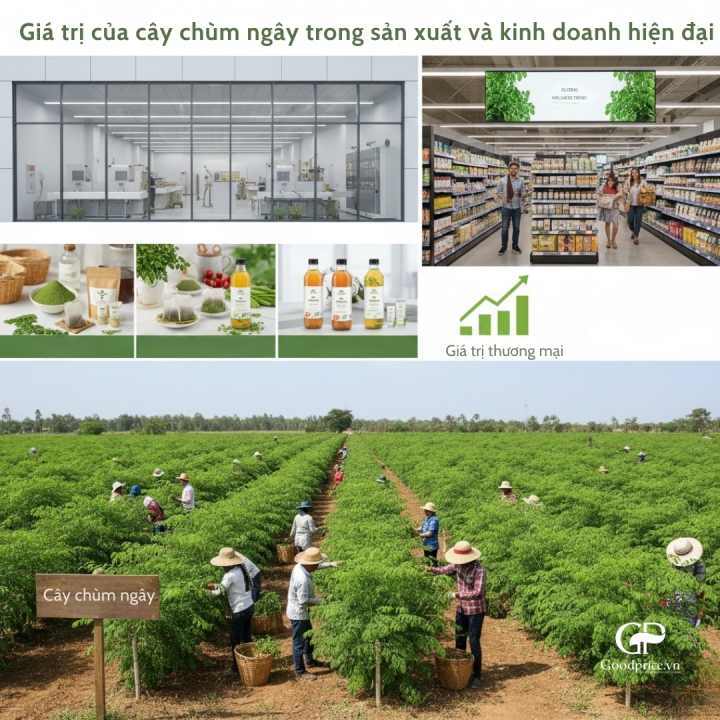
The Value of Moringa in Modern Production and Business

2020 - The time of "great victory" in rice production
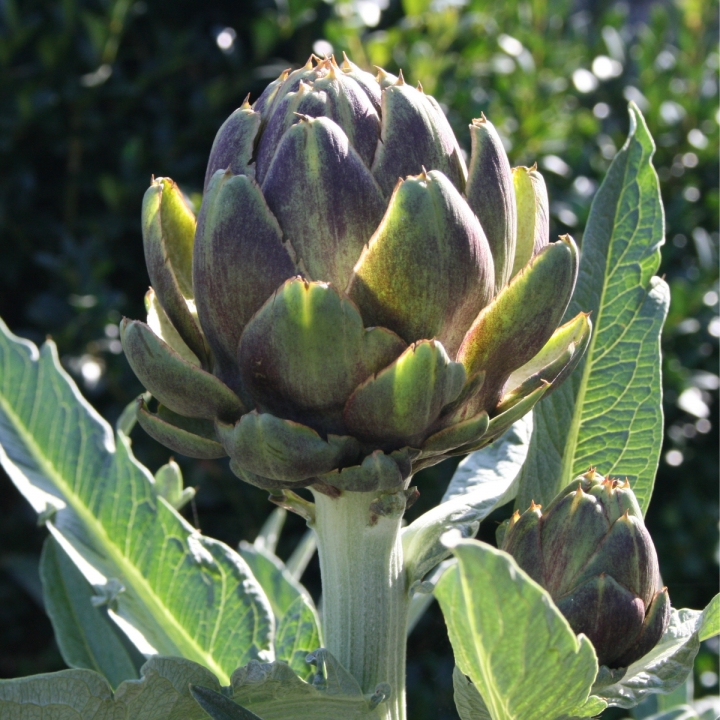
What Makes High-Quality Dried Artichoke Flowers & Their 1001 Amazing Uses?

Is Mexican Cuisine Trending in Vietnam?