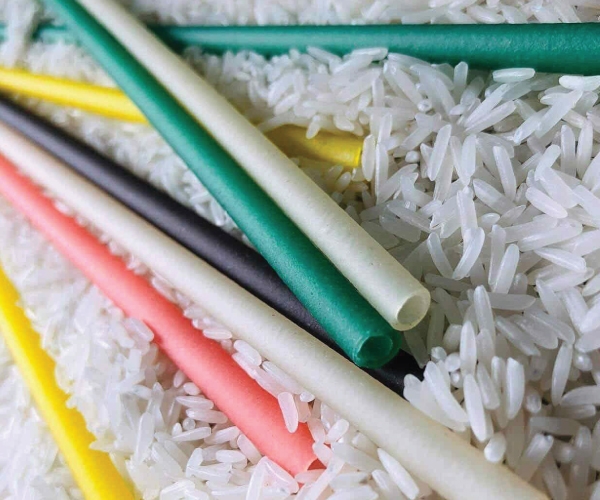


Factors to Consider When Choosing Rice Starch for Food Production
Rice starch is an important ingredient in the food industry, widely used to produce cakes, candies, noodles, sauces and many other products. To ensure quality and production efficiency, businesses need to pay attention to some important factors when choosing rice starch. Below are the criteria that Goodprice suggests you should consider.
1. Purity and Nutritional Composition
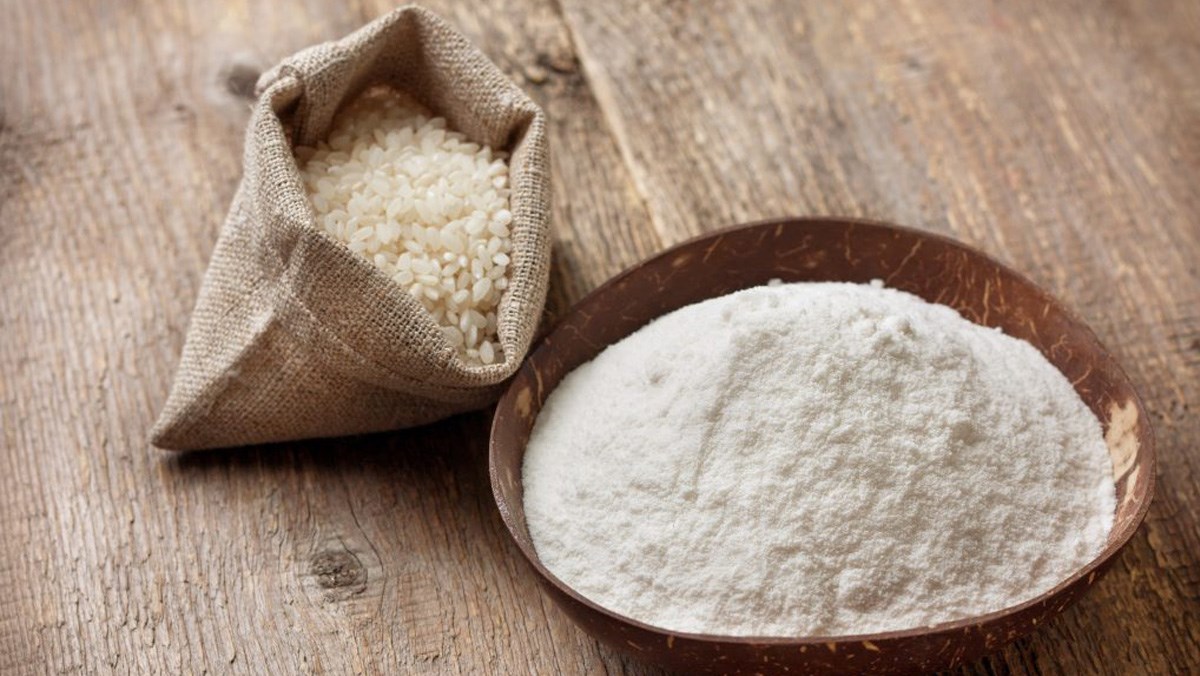
One of the important factors when choosing rice starch in food production is purity and nutritional composition.
- Pure rice starch contains no impurities, ensuring high purity.
- Protein, fiber, and moisture content must meet standards suitable for each type of food.
- Does not contain chemical additives or preservatives that affect the quality of the final product.
2. Fineness and Particle Texture
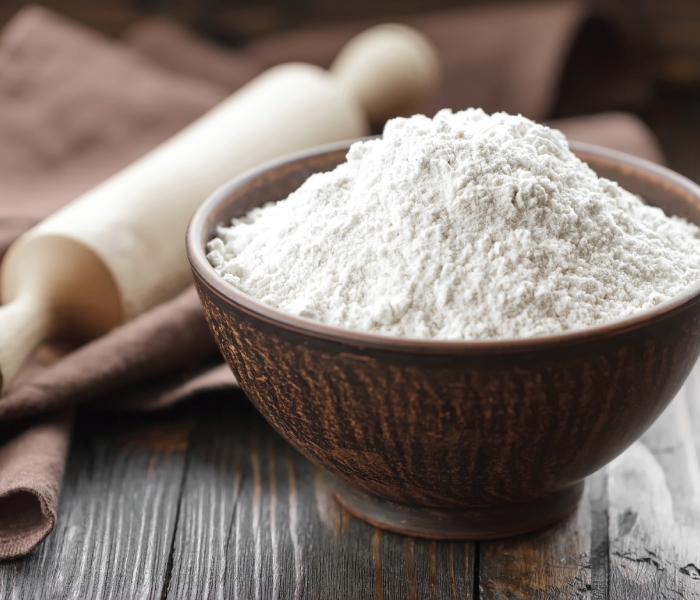
Fineness and particle texture are of interest to manufacturers when looking for quality rice starch products for production. Goodprice suggests some of the following characteristics to check:
- Particle size affects the solubility, adhesion and plasticity of food.
- Superfine rice starch is often preferred in the production of cakes, jellies and ice cream.
- For products that require high adhesion such as noodles, dumplings, you should choose a flour with a suitable texture.
3. Whiteness and Color
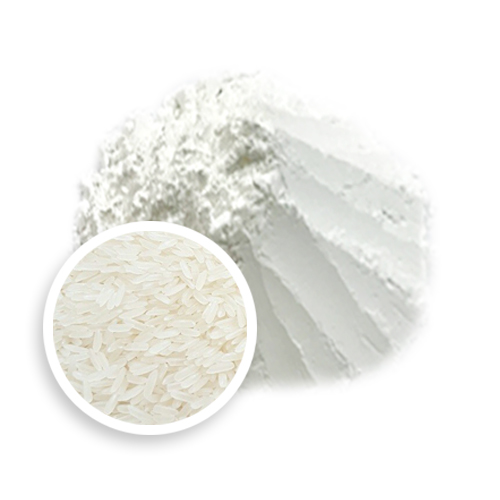
For whiteness and color, quality rice starch should have:
- High quality rice starch is usually naturally bright white.
- Do not choose the type with a light yellow or gray color because it may contain impurities or has been oxidized.
4. Solubility and Adhesion
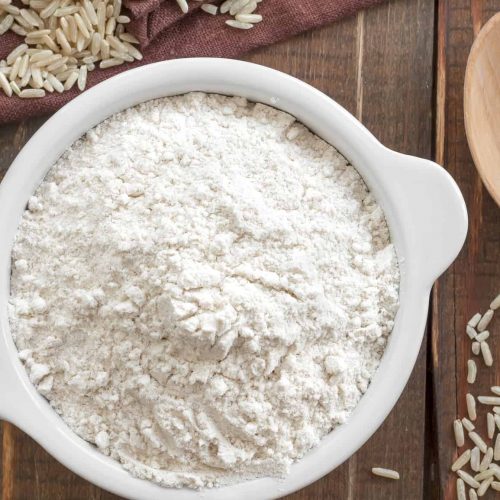
- Rice starch with good solubility will help the production process take place quickly and effectively.
- For foods such as sauces, soups, puddings, it is necessary to choose rice starch with high viscosity and adhesion.
- Applications in cakes need to ensure the ability to create appropriate elasticity and softness.
5. Moisture and Expiry Date
- The ideal moisture content is usually below 14% to avoid mold and prolong the storage time.
- Check the production date and expiry date to ensure that rice starch retains the best quality.
6. Food Quality and Safety Standards
- Rice starch used in food production must meet certifications such as ISO, HACCP, FDA to ensure safety.
- Check the origin of raw materials from reputable suppliers, avoid poor quality goods.
7. Origin and Production Method
- Choose rice starch from clean rice growing areas, without using toxic chemicals.
- Production methods using modern technology help maintain the quality and nutritional value of rice starch.
8. Price and Supply Ability
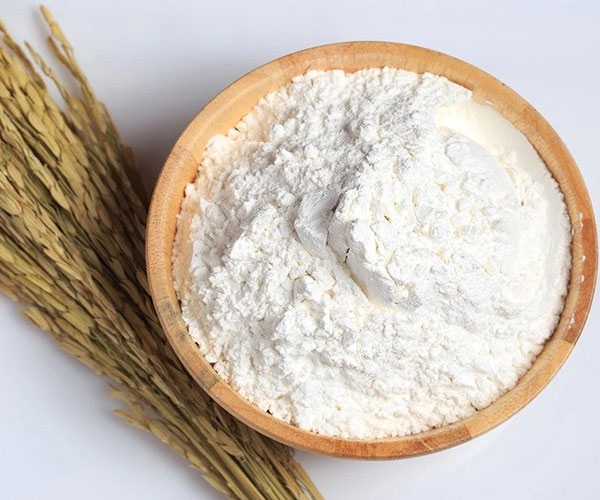
- Choose a supplier with reasonable and stable prices, ensuring a continuous source of goods for production.
- Consider the ratio of price and quality to optimize production costs.
Choosing the right rice starch will help businesses improve product quality, optimize production costs and ensure food safety. Therefore, it is necessary to carefully consider factors such as purity, texture, moisture, solubility, safety certification and origin before putting into production.
The article is of interest.
Bột rau má là gì? Tổng hợp công dụng bột rau má
How Many Calories Are in Purple Sweet Potato? Nutrition Facts & Application Potential in F&B
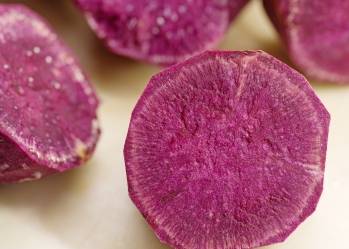
Prestigious and quality supplier of purple sweet potato powder for export

WHAT IS A SWITCH BILL OF LADING? KEY POINTS TO KNOW WHEN USING SWITCH B/L
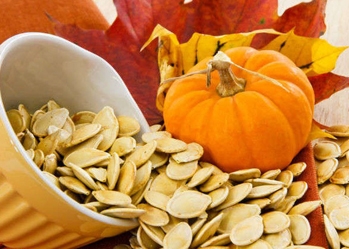
Eat pumpkin seeds regularly for these great benefits