

What is Arabica coffee?
Let's explore with Goce the interesting story of Arabica coffee, from its history, growth characteristics to brewing secrets to create the perfect cup of coffee, awakening all your senses.
1. Origin and history of Arabica coffee

Arabica coffee, also known as Tea coffee, originated in the southwestern highlands of Ethiopia, where the first wild coffee trees were discovered and used by the indigenous people. The journey of Arabica coffee continued to spread around the world through the conquests and trade of European powers.
Today, Arabica coffee is grown in more than 70 countries around the world, from Africa, Asia to the Americas. Each growing region brings Arabica coffee its own distinct flavors and characteristics, creating diversity and richness for this type of coffee. Vietnam is the second largest coffee exporter in the world and produces a large amount of Arabica for domestic and foreign consumption.
In Vietnam, Arabica coffee is mainly grown in the provinces of Lam Dong, Thua Thien Hue, Quang Tri, Nghe An, Son La, Dien Bien. Specifically, the locations with large Arabica production in Vietnam are:
- Lam Dong: Cau Dat District and neighboring areas.
- Thua Thien Hue: A Luoi District
- Quang Tri: Khe Sanh District
- Nghe An: Phu Quy District
- Hoa Binh - Son La: Mai Son District
- Dien Bien: Muong Angr District
Arabica coffee is not only a drink, but also an indispensable part of the culture and history of many countries. It is a symbol of exchange, connection and creativity. Coffee shops become places for coffee lovers to meet, chat and exchange ideas. With a long history and profound cultural values, Arabica coffee deserves to be considered the "queen" of the coffee world. The delicate, diverse flavors and health benefits it brings have conquered millions of coffee lovers around the world.
2. Characteristics of Arabica coffee trees
Shape
Trunk: Small woody trunk, many branches.
Foliage: Wide, oval or conical foliage, creating shade for the tree.
Leaves: Simple leaves, symmetrical, elongated oval, dark green, glossy and wavy edges.
Flowers: Arabica coffee flowers are small, white, growing in clusters in the leaf axils. The flowers have a sweet, seductive aroma, attracting bees and butterflies to pollinate.
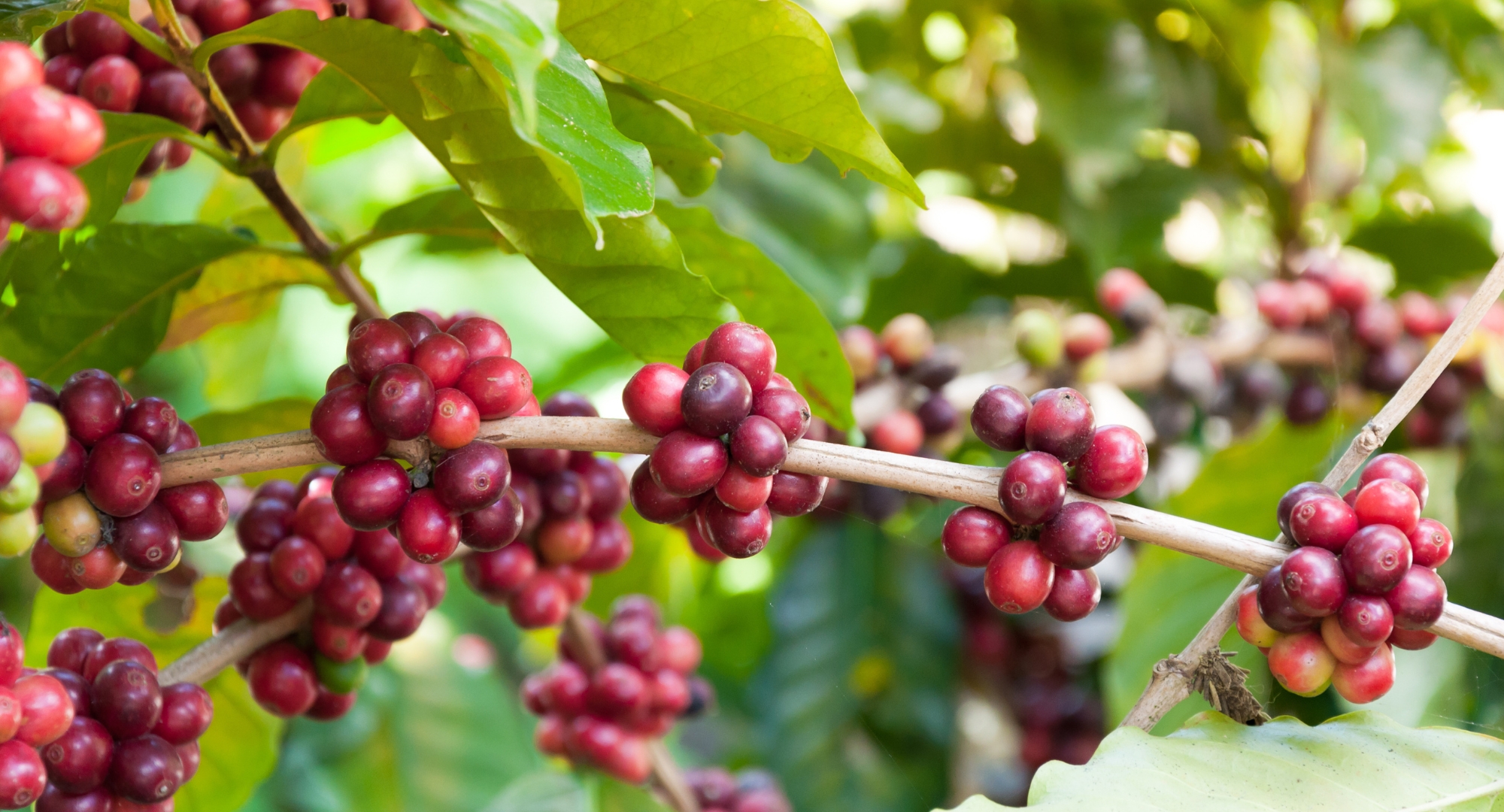
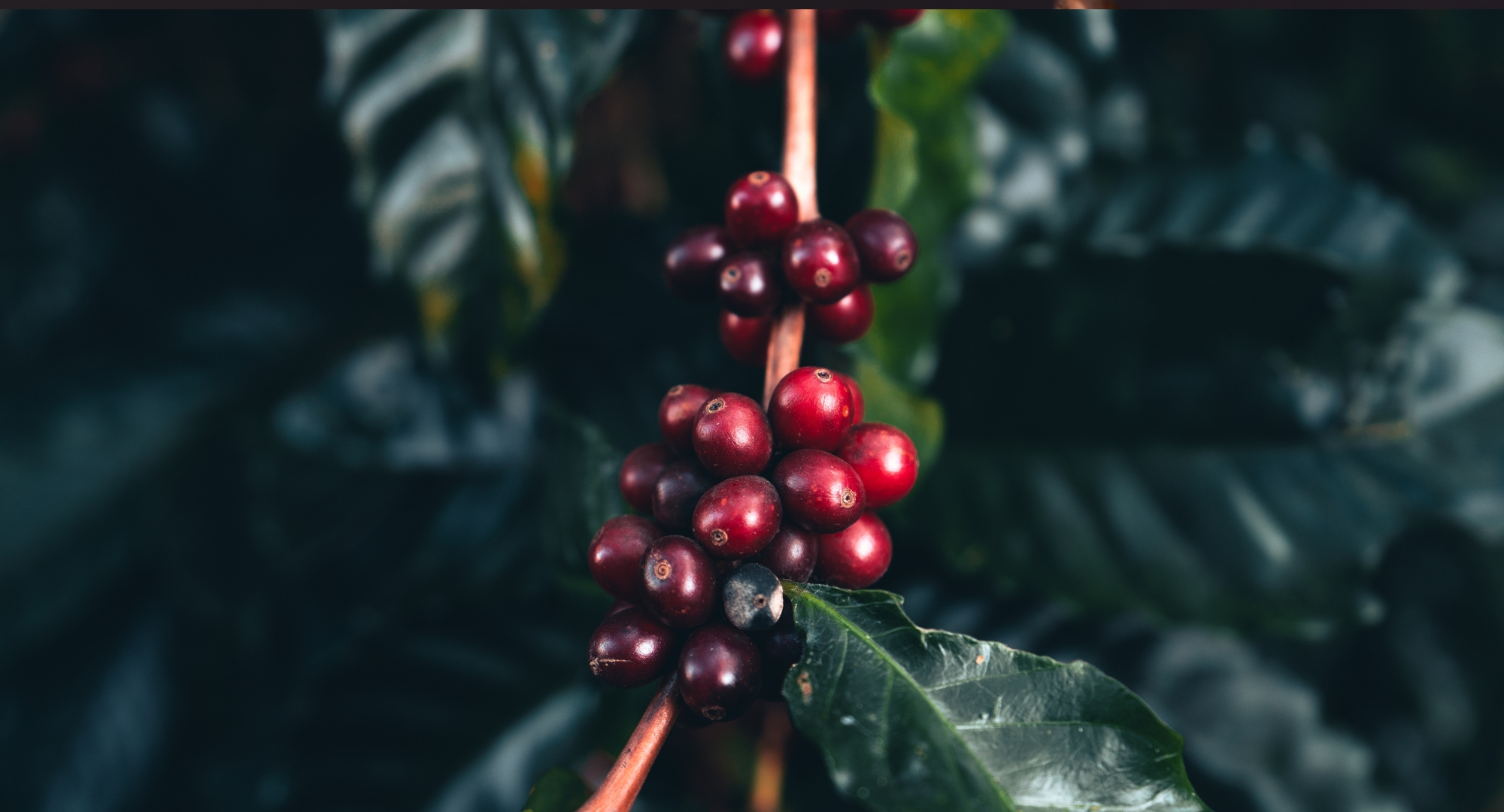
Fruit: Arabica coffee berries are oval or egg-shaped, red or dark purple when ripe. Inside the fruit are two coffee beans.
Popular Arabica coffee varieties
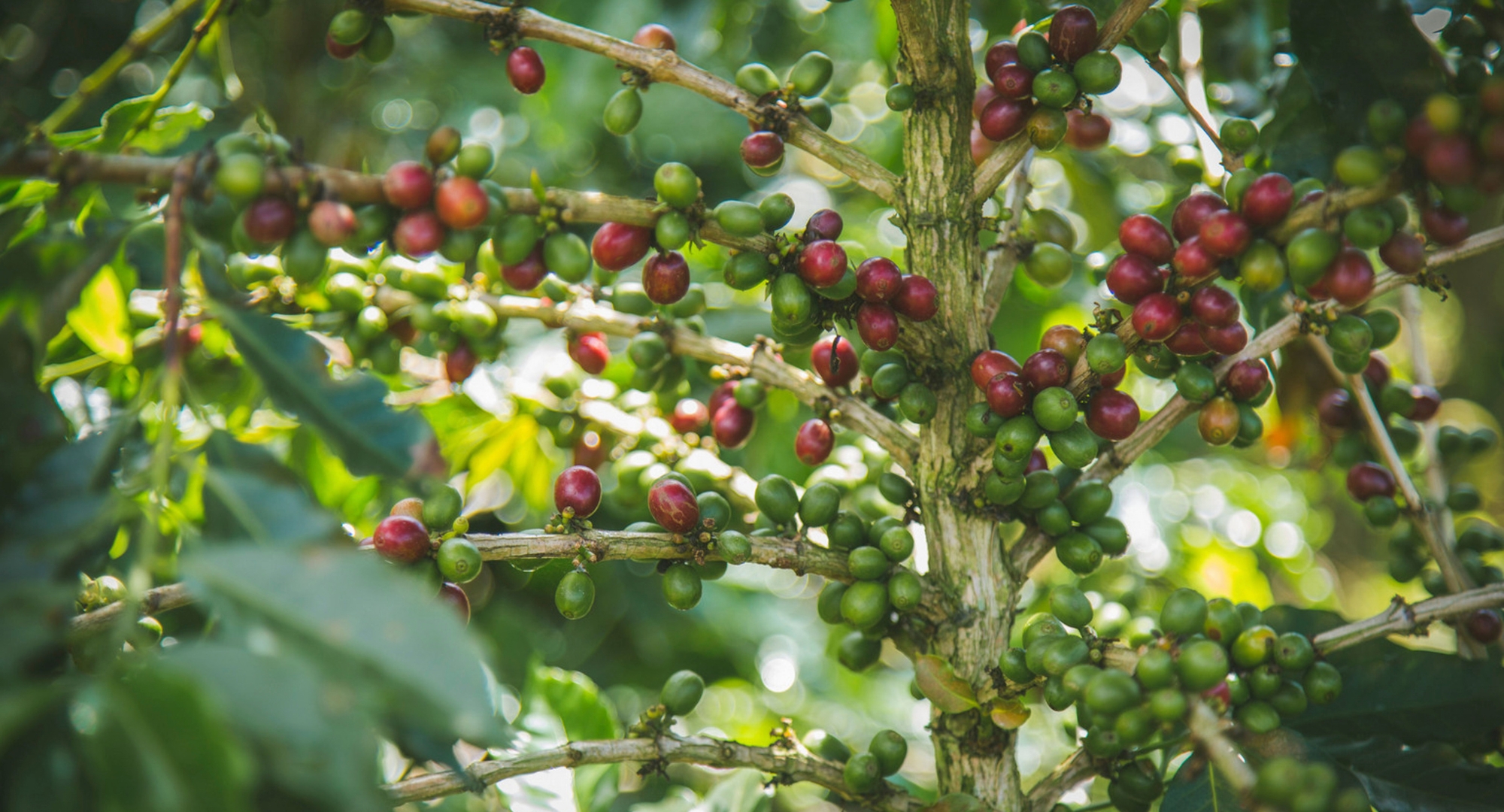
Typica: The original Arabica coffee variety, with a balanced, delicate flavor, moderate acidity and rich aroma.
Bourbon: A variant of Typica, with a sweeter taste, higher acidity and more complex aroma.
Caturra: A natural mutation of Bourbon, with shorter plants, higher yields and a similar flavor to Bourbon.
Catuai: A hybrid between Caturra and Mundo Novo, with high yields, good disease resistance and a balanced flavor between acidity and bitterness.
Other varieties: There are also many other Arabica varieties such as Moka, Maragogype, Pacamara... each with its own distinct flavor and characteristics.
Growing and care conditions
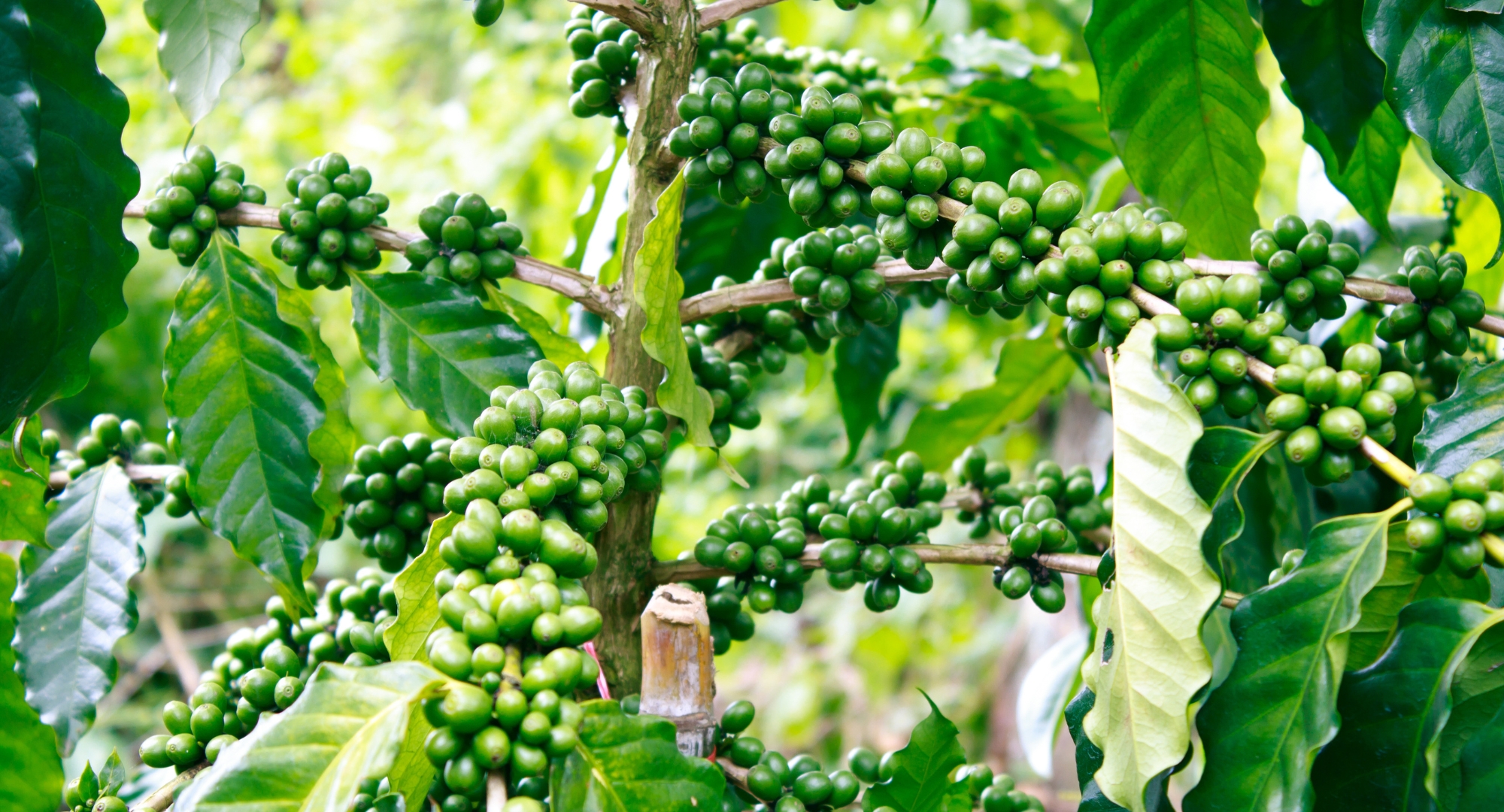
Altitude: Arabica coffee trees prefer to live in high mountains, from 600 - 2000 meters above sea level.
Climate: The tree needs a cool climate, an average temperature of 15-24°C, and rainfall evenly distributed throughout the year.
Soil: The tree prefers nutrient-rich, loose, well-drained soil with a pH of 4.5-6.5.
Care: Arabica coffee trees are quite sensitive to pests and diseases, requiring careful care, including watering, fertilizing, pruning and pest control. Growing and caring for Arabica coffee trees requires meticulousness and patience.
However, with proper care, Arabica coffee trees will produce high-quality coffee beans, bringing great flavor to the connoisseur.
>> See more: When is coffee harvested in the year?
3. Characteristics of Arabica coffee beans
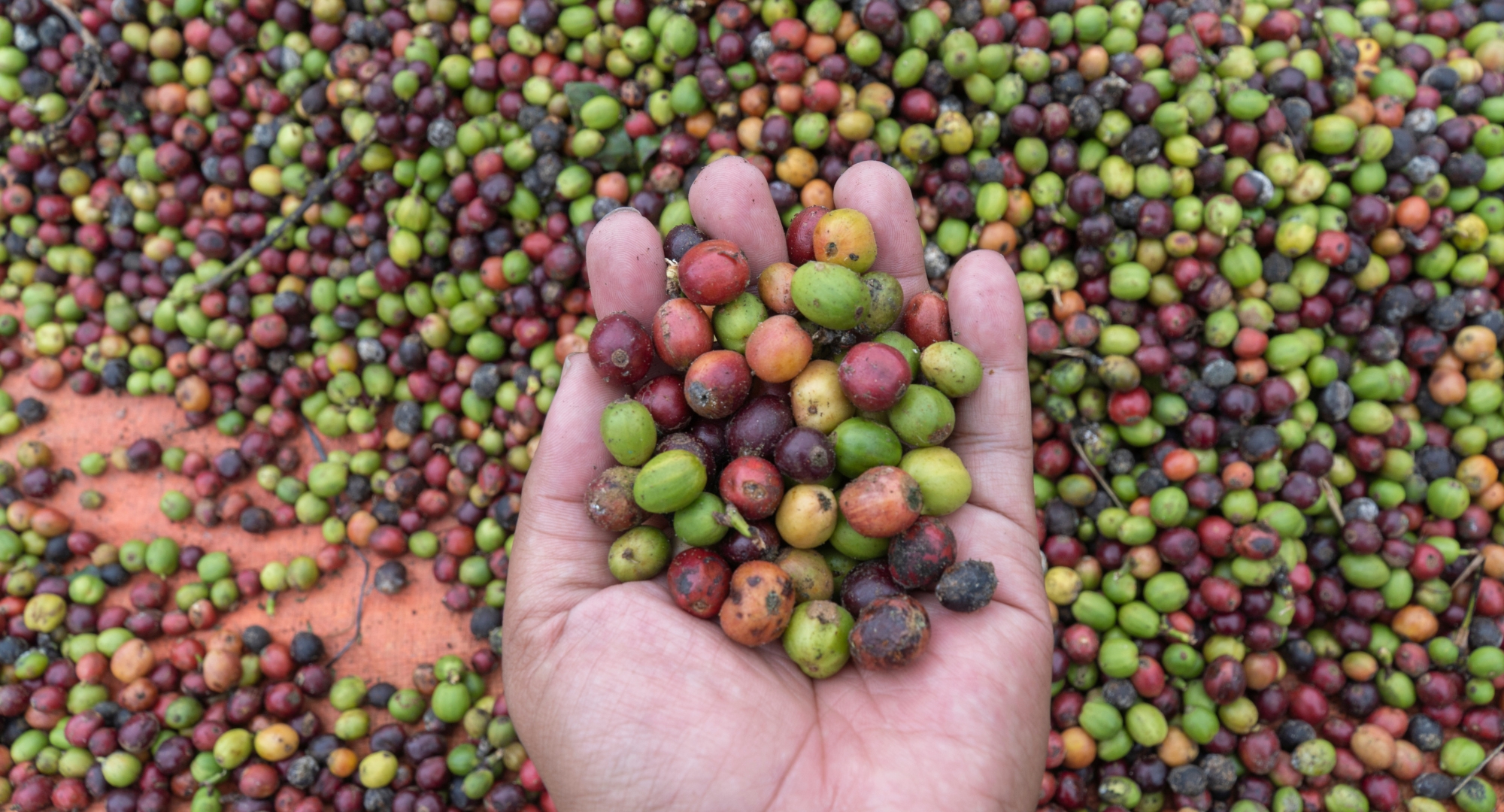
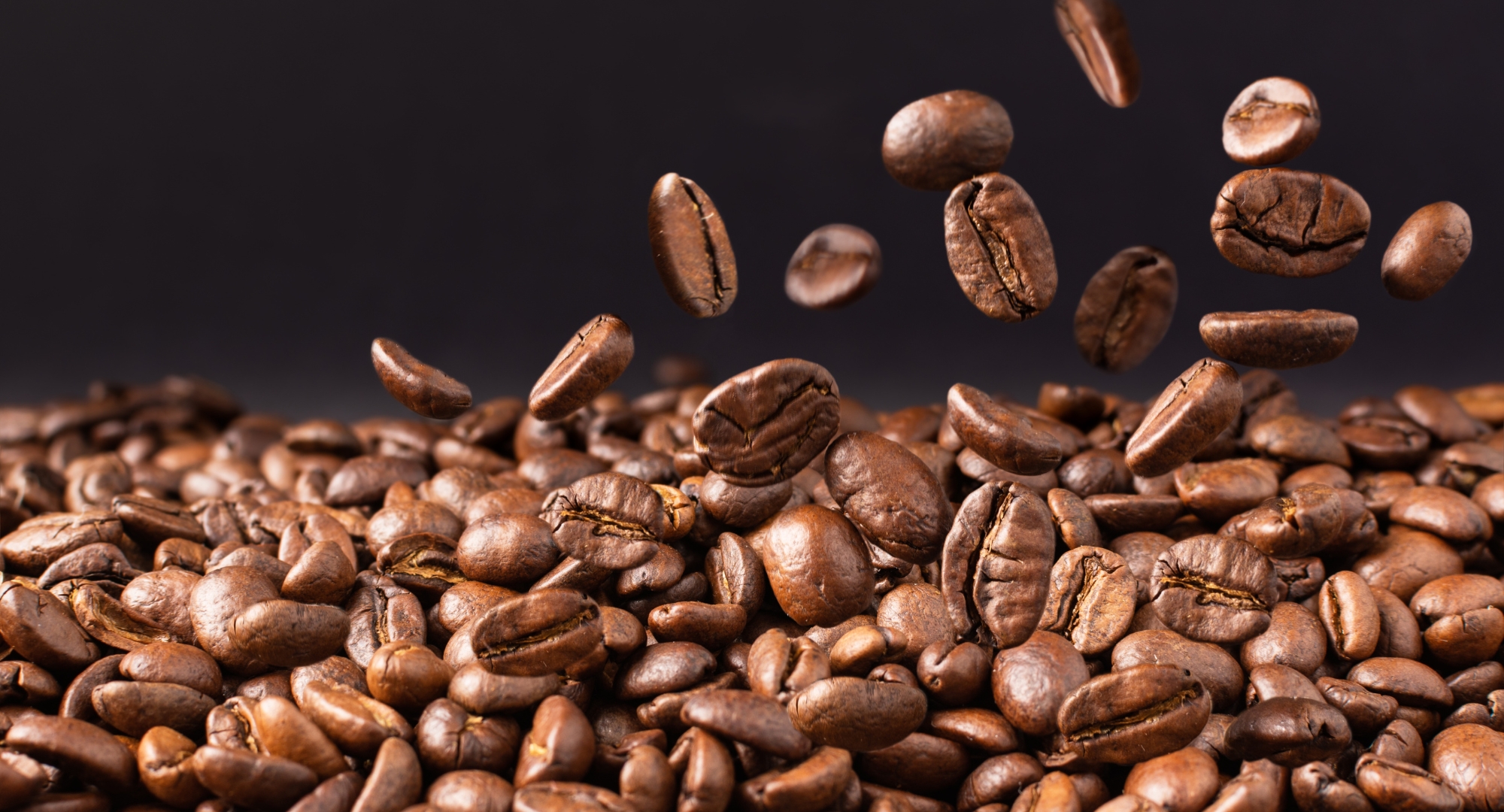
Arabica coffee beans are elongated oval in shape, larger in size than Robusta beans. The groove in the middle of the bean is often curved in an "S" shape. The color of Arabica beans before roasting is light green or blue. After roasting, the beans turn light brown to dark brown, with a smooth shine depending on the roasting level.
Caffeine, fat, sugar content

Caffeine: Arabica beans contain about 0.9-1.7% caffeine, lower than Robusta (1.8-3.5%). This makes Arabica coffee taste less bitter and less stimulating.
Fat: The fat content in Arabica beans is higher than Robusta, contributing to the smooth, mellow flavor and rich body of the coffee.
Sugar: The sugar content in Arabica beans is also higher than Robusta, bringing natural sweetness and balancing the acidity of the coffee.
Flavor compounds: Unlike Robusta, Arabica is not simply bitter. It is a harmonious combination of many different layers of flavor, creating a unique symphony for the taste buds:
Light sour taste: Typical of Arabica, it can be the sour taste of citrus, green apple, grape, plum... bringing a refreshing, fresh feeling.
Sugar: The sugar content in Arabica beans is also higher than Robusta, bringing natural sweetness and balancing the acidity of coffee.
Flavor compounds:
Unlike Robusta, Arabica is not simply bitter. It is a harmonious combination of many different layers of flavor, creating a unique symphony for the taste buds:
Light sour taste: Characteristic of Arabica, can be the sour taste of citrus, green apple, grape, plum... bringing a refreshing, fresh feeling.
Sweet taste: The natural sweetness of Arabica can be the sweetness of honey, cane sugar, caramel, ripe fruit... creating a balance with sour and bitter taste.
Bitter taste: The bitterness of Arabica is milder than Robusta, often described as the bitter taste of cocoa, dark chocolate or roasted nuts.
Aroma: The aroma of Arabica is extremely rich and diverse. You can feel the scent of flowers (jasmine, rose, lavender...), fruity scents (orange, tangerine, berry...), caramel scent, chocolate scent, toasted bread scent, woody scent...
5. How to feel and evaluate the flavor of Arabica coffee:
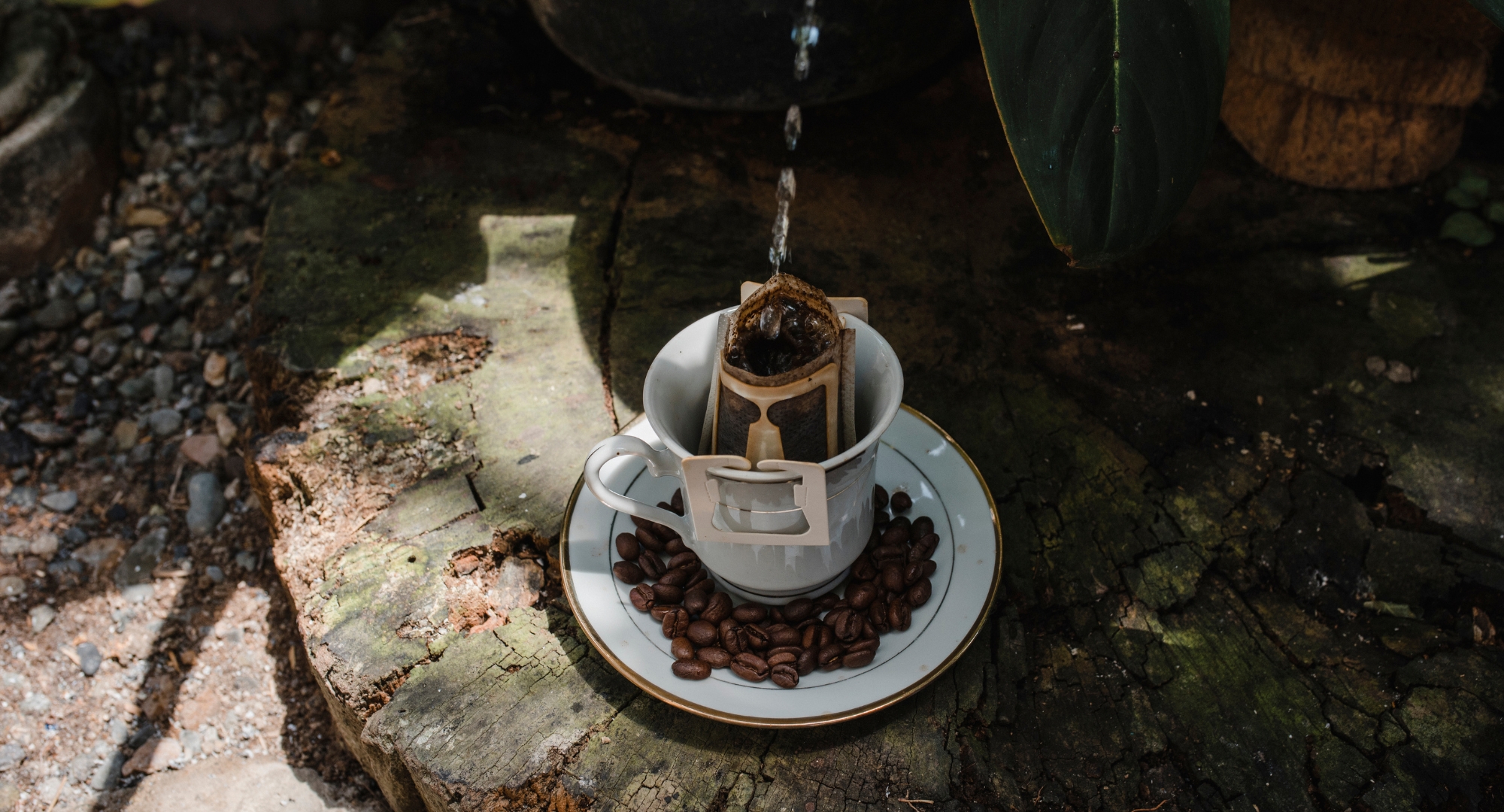
To fully enjoy the flavor of Arabica coffee, you can do the following steps:
Smell: Inhale the aroma of coffee to feel the characteristic notes.
Take a small sip: Let the coffee spread in your mouth, feel the sourness, sweetness, bitterness and other flavors.
Swallow slowly: Pay attention to the aftertaste of the coffee, see how long it lasts and what flavors it has.
>> Goodprice Vietnam's coffee series: Bột cà phê rang xay , Cà phê hạt
The article is of interest.
Bột diếp cá nguyên chất 100% từ rau diếp cá tươi
10 great uses of Walnut Powder for health

Pure Cold-Dried Purple Sweet Potato Powder – Goodprice Vietnam
Uses of lotus seeds for human health
Goodprice Purple Yam Powder Production Process