
Where is Arabica coffee grown?
Join Goodprice on a journey around the world, from majestic plateaus to fertile lands, to learn about the "holy lands" of Arabica coffee and the interesting stories behind each cup of coffee!
1. What influence does the land where Arabica is grown have?
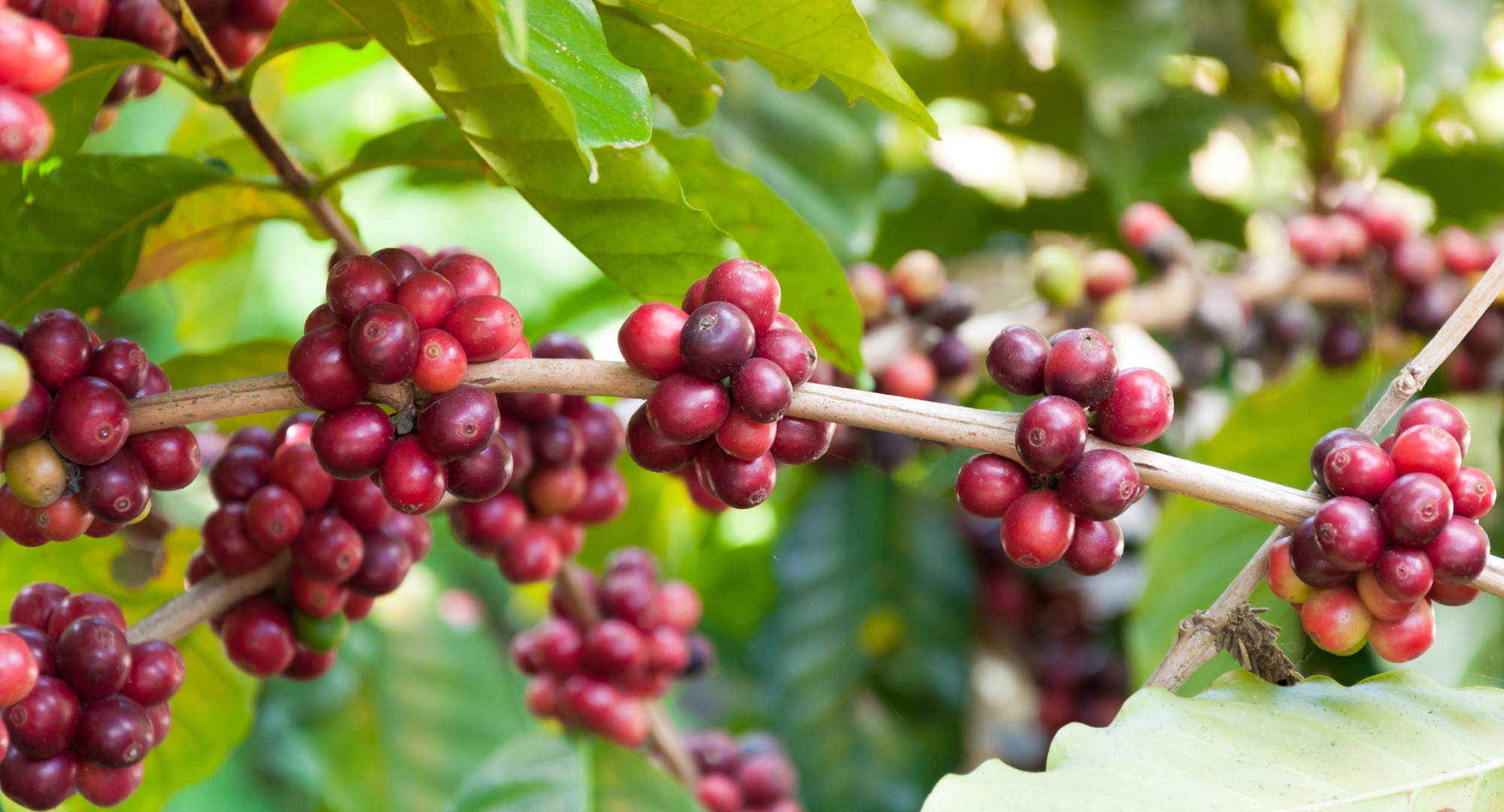
Arabica coffee, with its seductive aroma and delicate flavor, has conquered millions of coffee lovers around the world.
Not just a drink, Arabica is also a fascinating experience with a variety of flavors, from sour, sweet to slightly bitter, bringing different emotions to the connoisseur.
The special thing about Arabica coffee is that its flavor not only depends on the coffee variety but is also greatly influenced by the land where it is born and raised.
Each growing region, with its own climate, soil and processing method, will create its own unique characteristics for Arabica coffee beans, bringing unique and unforgettable taste experiences.
2. Famous Arabica coffee growing regions in the world:
Africa:
- Ethiopia: The cradle of Arabica coffee, famous for its fruity, floral aroma and characteristic sour taste.
- Kenya: Produces high-quality Arabica coffee with a juicy flavor, bright acidity and sweet aftertaste.
- Tanzania: Tanzania Arabica coffee has a medium body, mild acidity, complex flavor with notes of berries and spices.
Latin America:
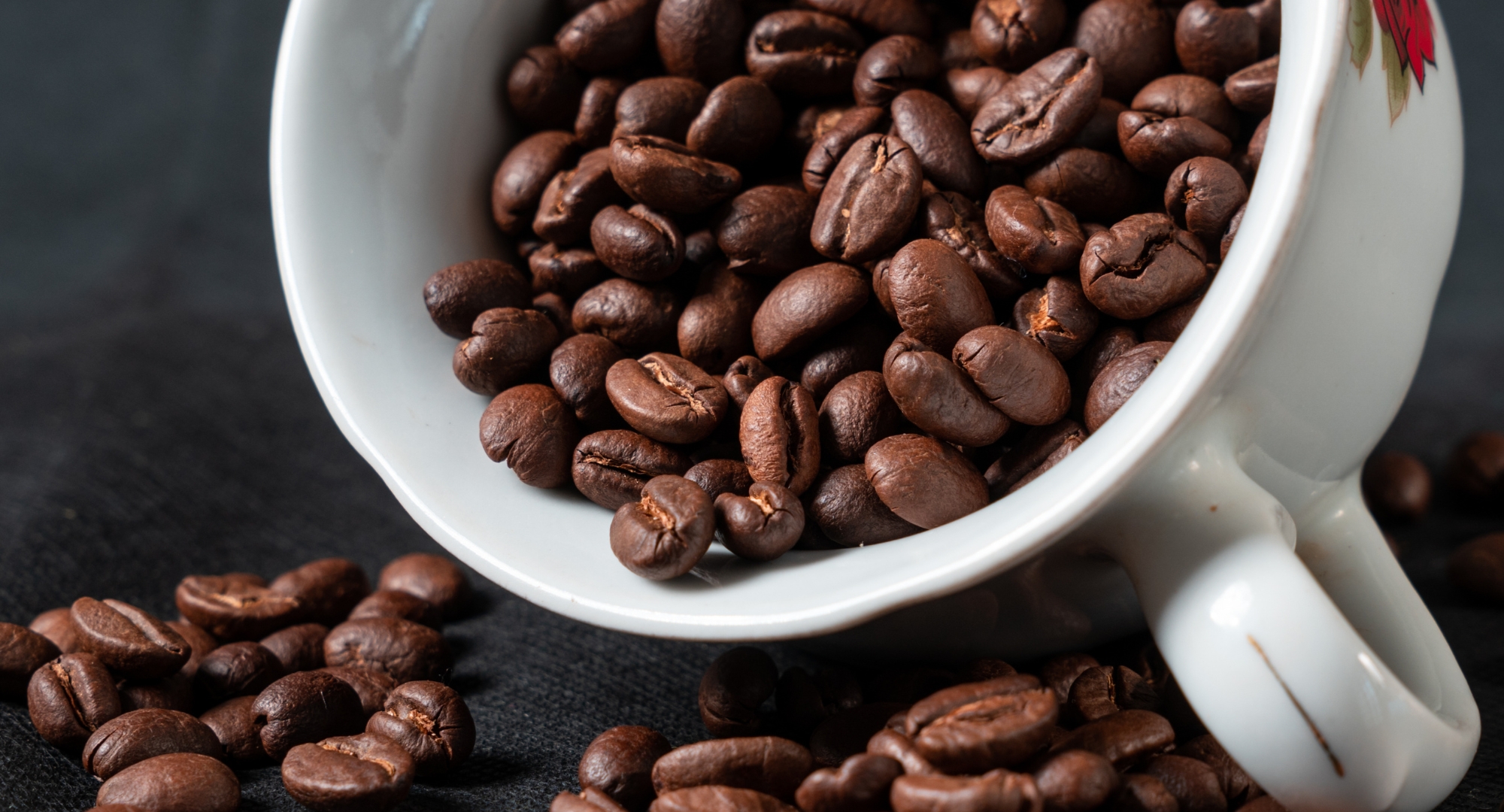
- Brazil: The world's largest coffee producer, Brazilian Arabica coffee has a chocolate, caramel and hazelnut flavor.
- Colombia: Famous for high-quality Arabica coffee, balanced flavor between acidity and bitterness, sweet aftertaste.
- Guatemala: Guatemala Arabica coffee has a complex flavor with notes of chocolate, spice and fruit.
Asia:
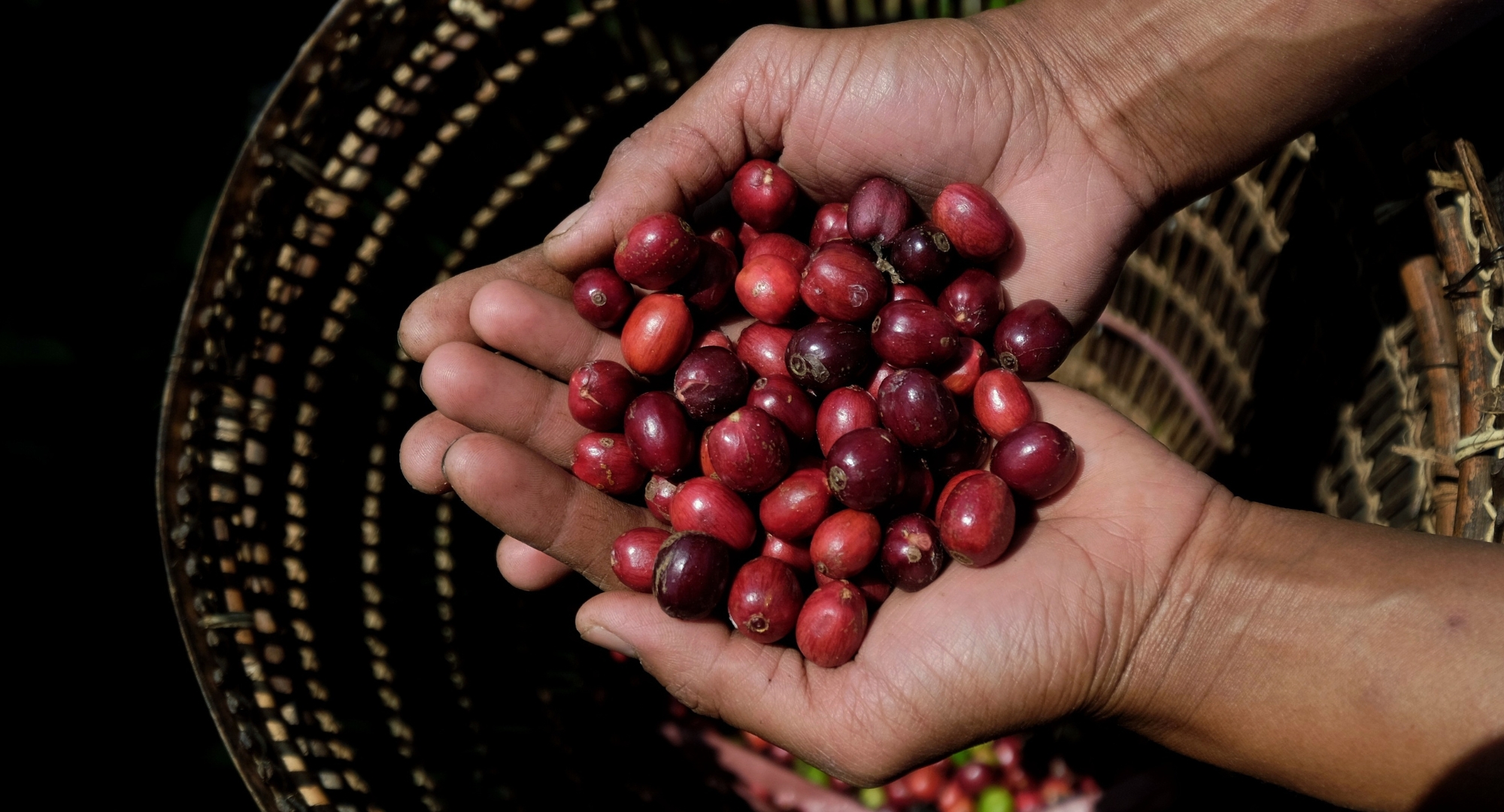
- India: Indian Arabica coffee has a rich, spicy flavor with notes of spice and pepper.
- Indonesia: Indonesian Arabica coffee has an earthy, woody and herbal flavor, a full body and low acidity.
- Vietnam: Vietnamese Arabica coffee has a diverse flavor, depending on the growing region, but often has bright acidity, fruity aromas and a sweet aftertaste.
2. Vietnamese Arabica Coffee:
A journey of flavors from the motherland Although famous for Robusta coffee, Vietnam also has "golden" lands producing high-quality Arabica coffee, bringing unique and unforgettable flavor experiences.
History of Arabica coffee in Vietnam:
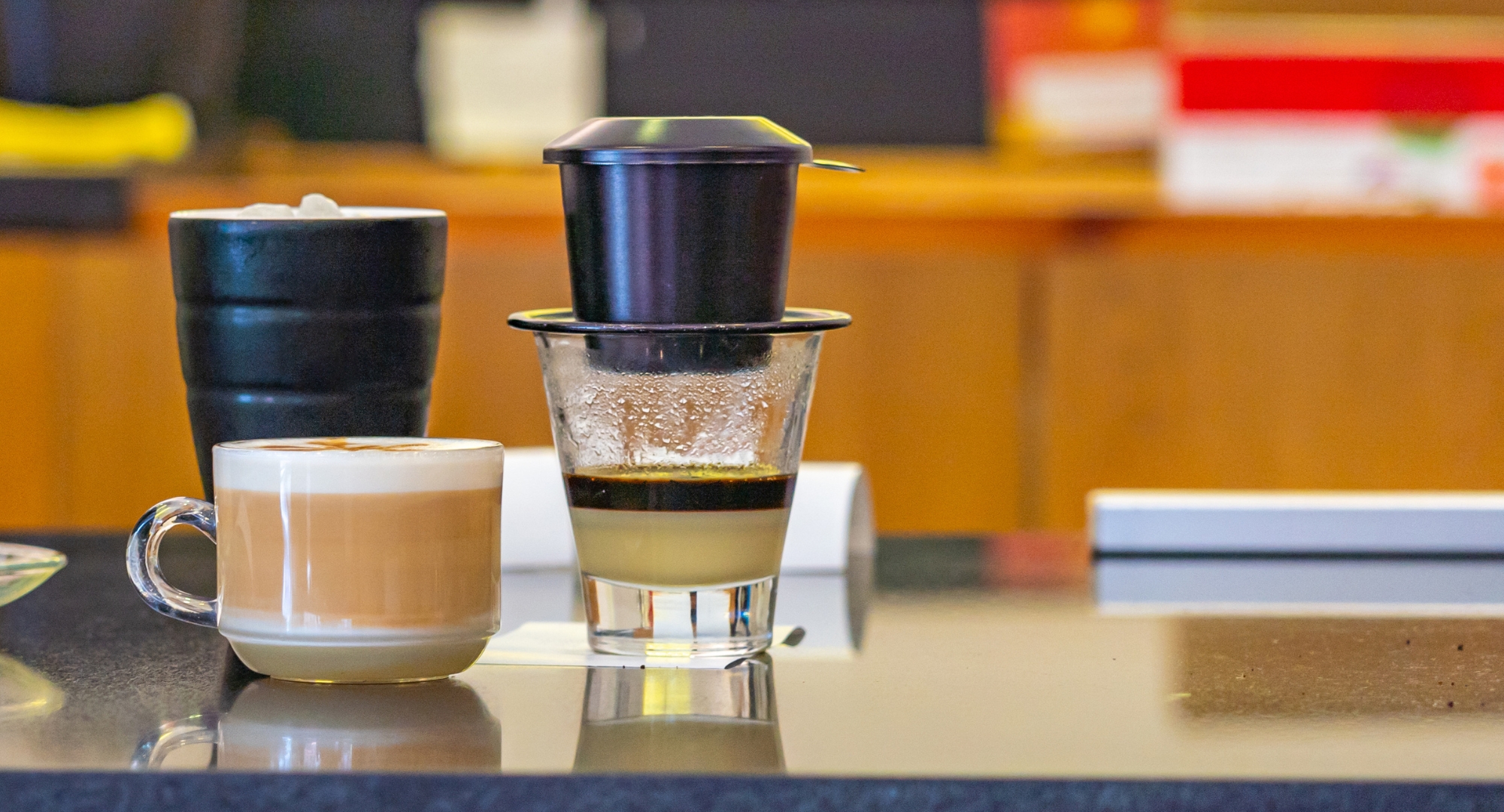
Arabica coffee was introduced to Vietnam by the French in the late 19th century, mainly grown in cool highland areas such as Da Lat and Cau Dat. However, due to low productivity and more difficult care than Robusta, the Arabica growing area in Vietnam is still limited.
Famous Arabica coffee growing regions in Vietnam:
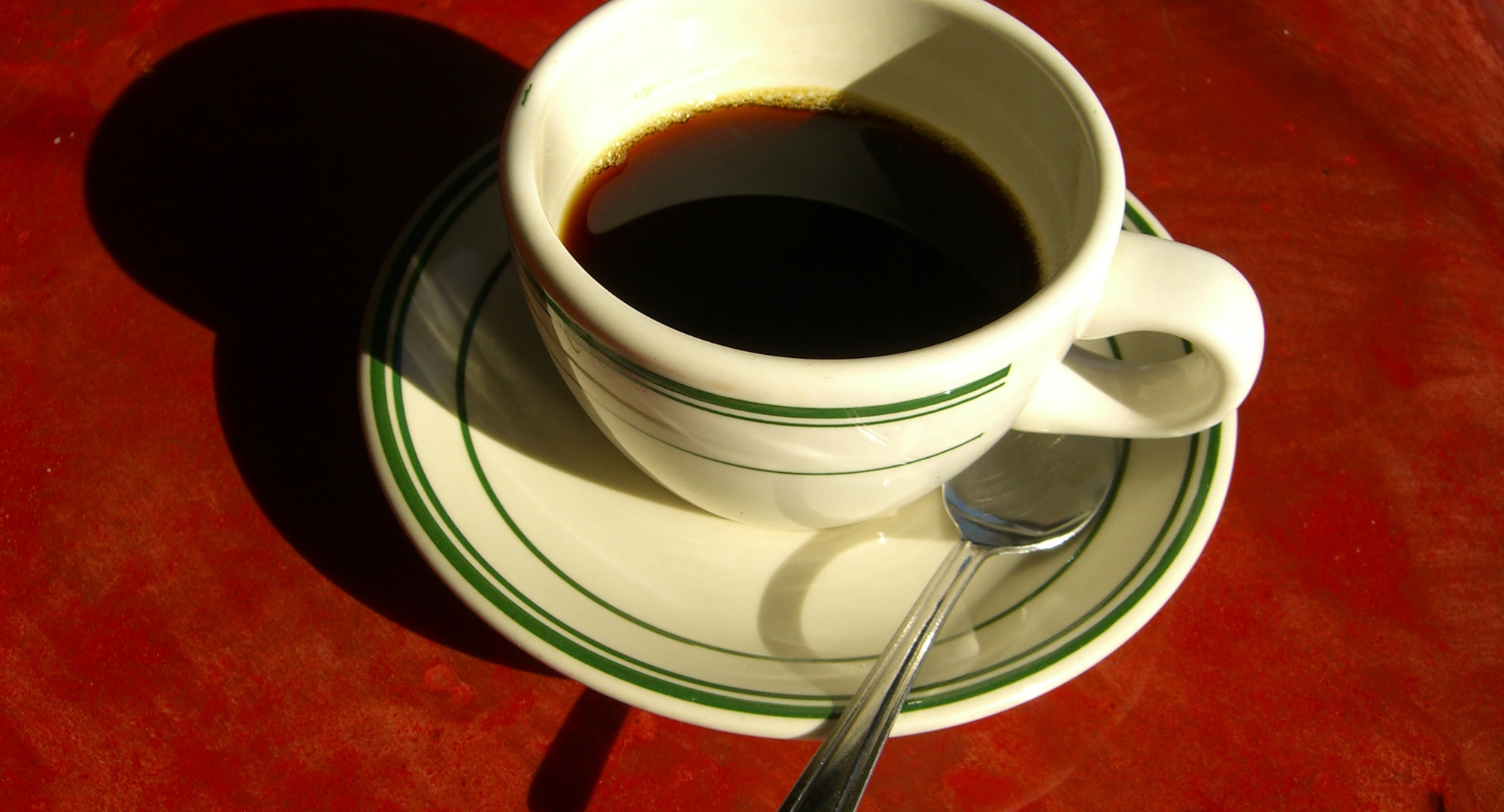
- Cau Dat (Lam Dong): Located at an altitude of over 1,500 meters above sea level, Cau Dat has a temperate climate and fertile soil, ideal for Arabica coffee plants to grow. Cau Dat Arabica coffee is famous for its rich flavor, sweet aftertaste and seductive aroma of ripe fruit.
- Da Lat (Lam Dong): With a similar altitude to Cau Dat, Da Lat is also a "golden" land of Arabica coffee. Da Lat Arabica coffee has a light, delicate flavor, delicate acidity and floral aroma.
- Son La: Located in the Northwest region, Son La has a cool climate and fertile soil, suitable for growing Arabica coffee. Son La Arabica coffee has a unique, rich flavor, sweet aftertaste and the aroma of honey and dried fruit.
- Dien Bien: Dien Bien Arabica coffee is grown at an altitude of over 1,200 meters, has a characteristic flavor with a light sourness, sweet aftertaste and the aroma of nuts.
Arabica coffee flavor characteristics of each region in Vietnam:
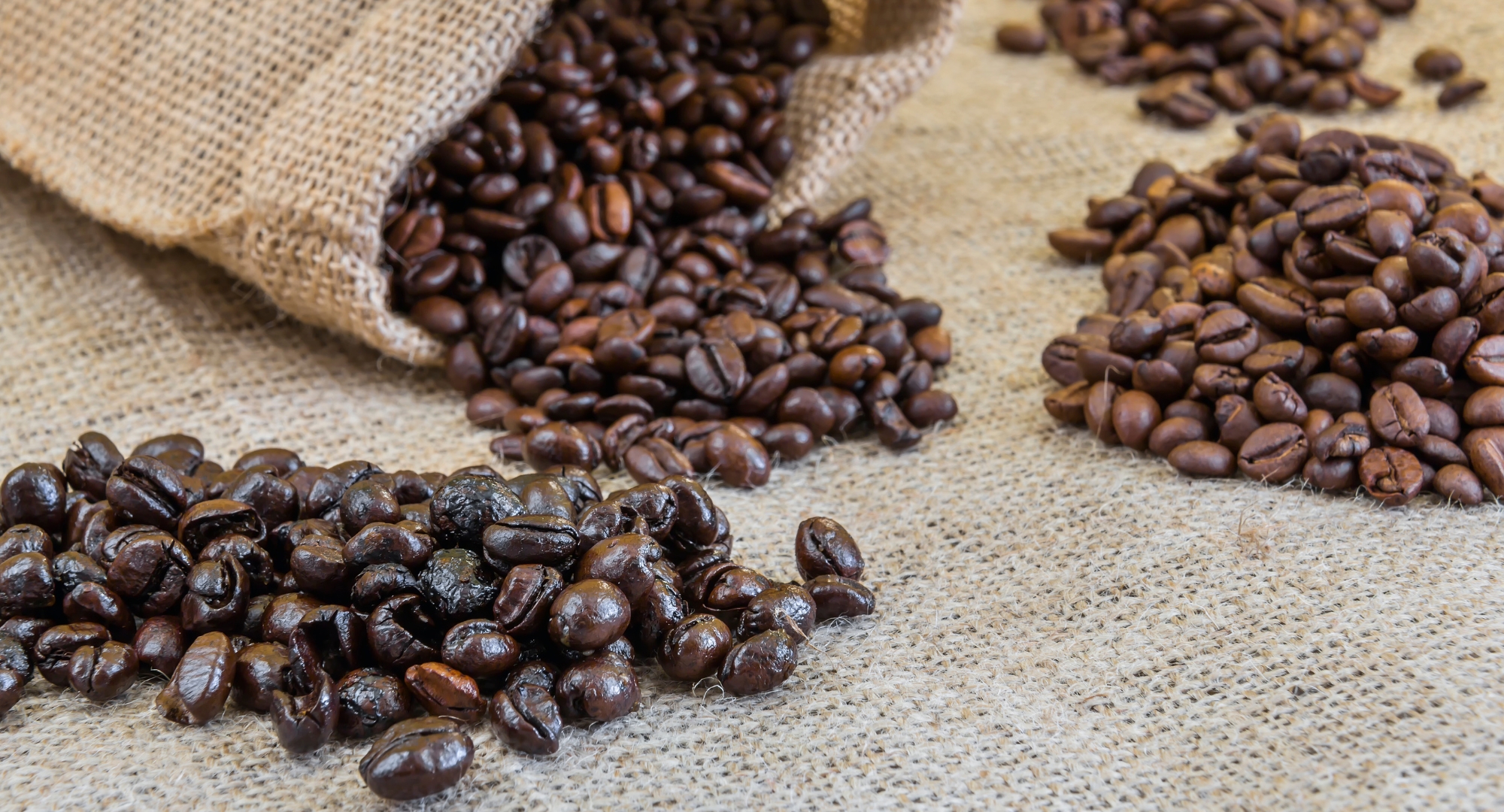
- Cau Dat Flavor Growing Region (Lam Dong): Rich, sweet aftertaste, ripe fruit flavor of Da Lat (Lam Dong) Delicate, gentle, delicate acidity, floral aroma
- Son La: Rich, sweet aftertaste, honey aroma, dried fruit
- Dien Bien: Light acidity, sweet aftertaste, nut aroma
3. The future of Vietnamese Arabica coffee:
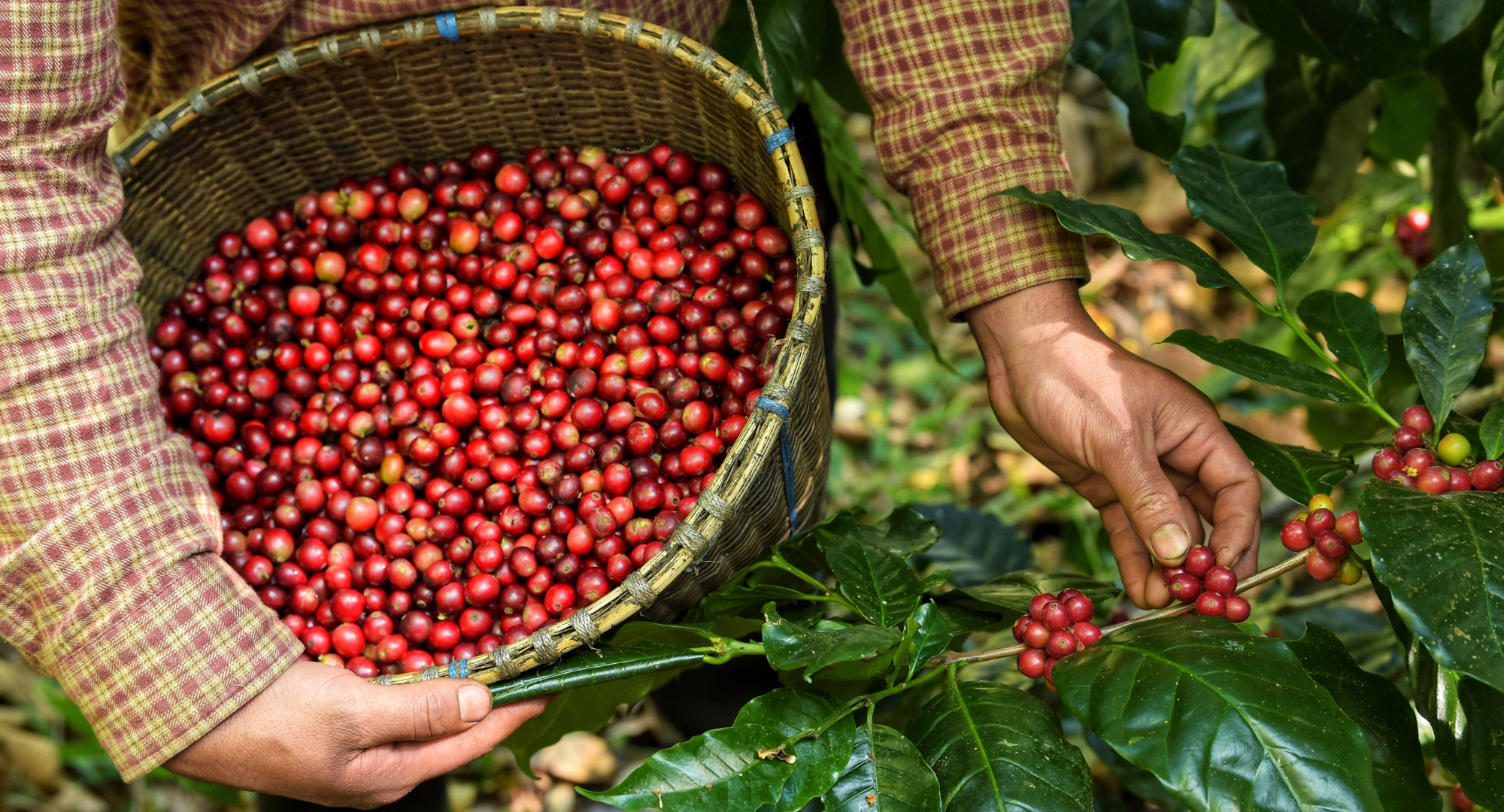
With the potential of soil and climate, Vietnamese Arabica coffee is increasingly asserting its position in the world coffee market. Domestic and international consumers are increasingly interested in and appreciate the unique flavor of Vietnamese Arabica coffee.
The article is of interest.

Benefits of Perilla Leaves The Value of a Natural Herbal Ingredient

Busy Tips Simple Cocoa Powder Mask Formula Helps To Nourish Skin
Bột đậu nành nguyên chất - Bột thực phẩm thiên nhiên
How Is Industrial Fish Mint Powder Different from Handmade Powder?
What's different about home roasted coffee?